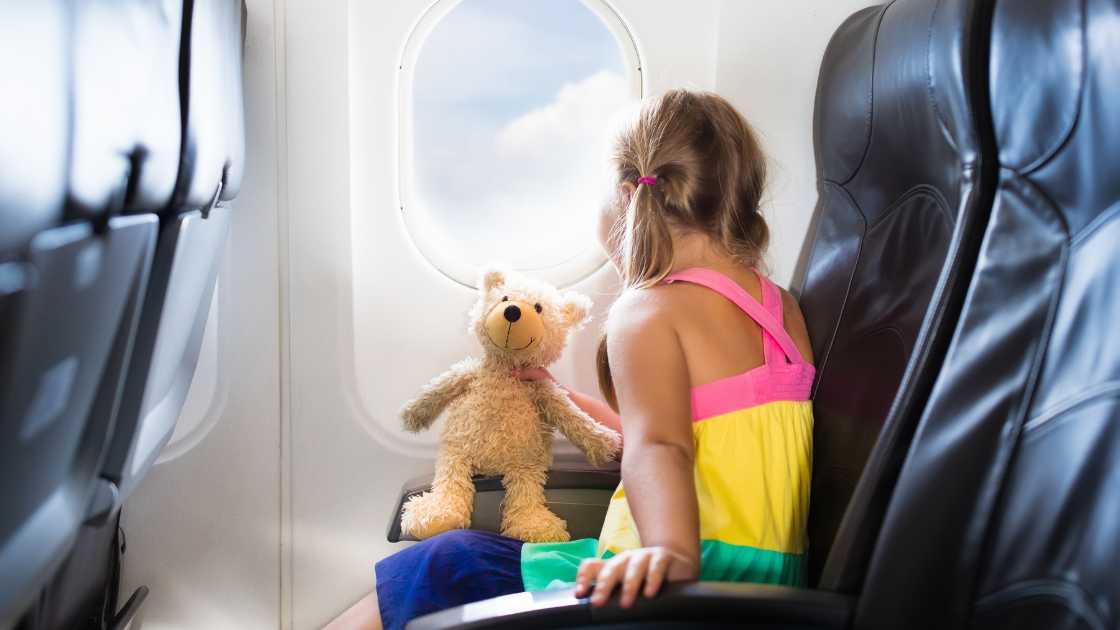
Flying from Japan to the USA is an exciting journey — but your internal clock might not feel the same way.
Crossing multiple time zones (especially eastward, like Japan to the US) can throw off your body’s natural rhythm. That groggy, out-of-sync feeling is jet lag — and yes, it’s real.
Here’s how long it usually lasts and what you can do to feel like yourself again, faster.
🕰️ How Long Does Jet Lag Last?
Most people recover from jet lag within 3 to 5 days after flying from Japan to the U.S.
But it depends on:
• 🕓 How many time zones you crossed (Japan → New York = 13-hour difference!)
• 😴 Your sleep habits and schedule flexibility
• 👤 Your age
• 🌍 How often you travel
🧭 A general rule of thumb:
You need about 1 day to adjust per time zone crossed, especially when traveling eastward (like Japan → U.S.).
But in reality, most people adjust faster than 13 full days.
With good prep, you may feel off for 2 to 7 days, depending on your body and travel habits.
✈️ Why Eastward Travel Feels Tougher
When you travel eastward (Japan → USA), you’re shortening your day.
That’s harder for your body than adjusting to a longer day (westward travel). It means:
- Falling asleep earlier than usual
- Waking up when your body says “nope”
That’s why jet lag can hit harder on the way home.
🌞 Reset with Sunlight
Natural light is your best ally.
☀️ Get morning sun exposure as soon as you arrive in the U.S.
It tells your brain, “Hey, it’s daytime now,” helping reset your circadian rhythm.
Even 15–30 minutes outside in the morning can make a big difference.
🛏️ Sleep Like a Pro (Even When It’s Tough)
Try to sleep at the local bedtime, even if it feels impossible.
Tips to help:
- Take a warm shower before bed
- Use an eye mask or blackout curtains
- Keep your room cool and quiet
If needed, melatonin (0.5–3 mg) can help your body signal sleepiness — especially the first few nights.
🍵 Caffeine with Care
Jet lag makes coffee tempting… but timing matters.
✅ Use caffeine in the morning or early afternoon
🚫 Avoid it after 2 p.m. — it can make falling asleep harder
Tea, matcha, or a short walk can also give a gentle energy lift.
🥦 Nourish Your Body Gently
Travel + time shifts = stress on your system.
Support your recovery with:
- Light, healthy meals
- Hydration (jet lag is worse if you’re dehydrated)
- Easy movement like stretching or a walk
Avoid heavy meals or alcohol the first night — they can disturb sleep.
📱 Screen Time Limits at Night
Your body already doesn’t know what time it is.
Staring at blue light before bed makes things worse.
Try:
- Dimming your phone or using night mode
- Reading a book instead of scrolling
- Wearing blue light glasses if you’re on screens after dark
Small changes = smoother adjustment.
🌿 Be Gentle with Yourself
It’s normal to feel off for a few days.
Be kind to your body — and don’t pack your first 48 hours with intense plans.
🌸 Rest, hydrate, reset.
Soon, your body will catch up with your passport.
Quick Takeaway:
Jet lag from Japan to the USA can last up to a week, but with sunlight, gentle movement, and good sleep habits, most people feel better in just a few days. Let your body lead the way — it’s adjusting, even if it doesn’t feel like it yet.