Creating a kitchen in the Japandi style transcends mere aesthetics; it embodies a philosophy of balance and serenity. This design approach harmonizes the minimalist elegance of Japanese interiors with the warmth of Scandinavian simplicity.
In this article, you will find 10 essential elements to elevate your kitchen space, including natural materials and functional design. By embracing these principles, your kitchen will become not just a place for cooking, but truly a sanctuary for mindfulness and connection.
Embrace Natural Materials
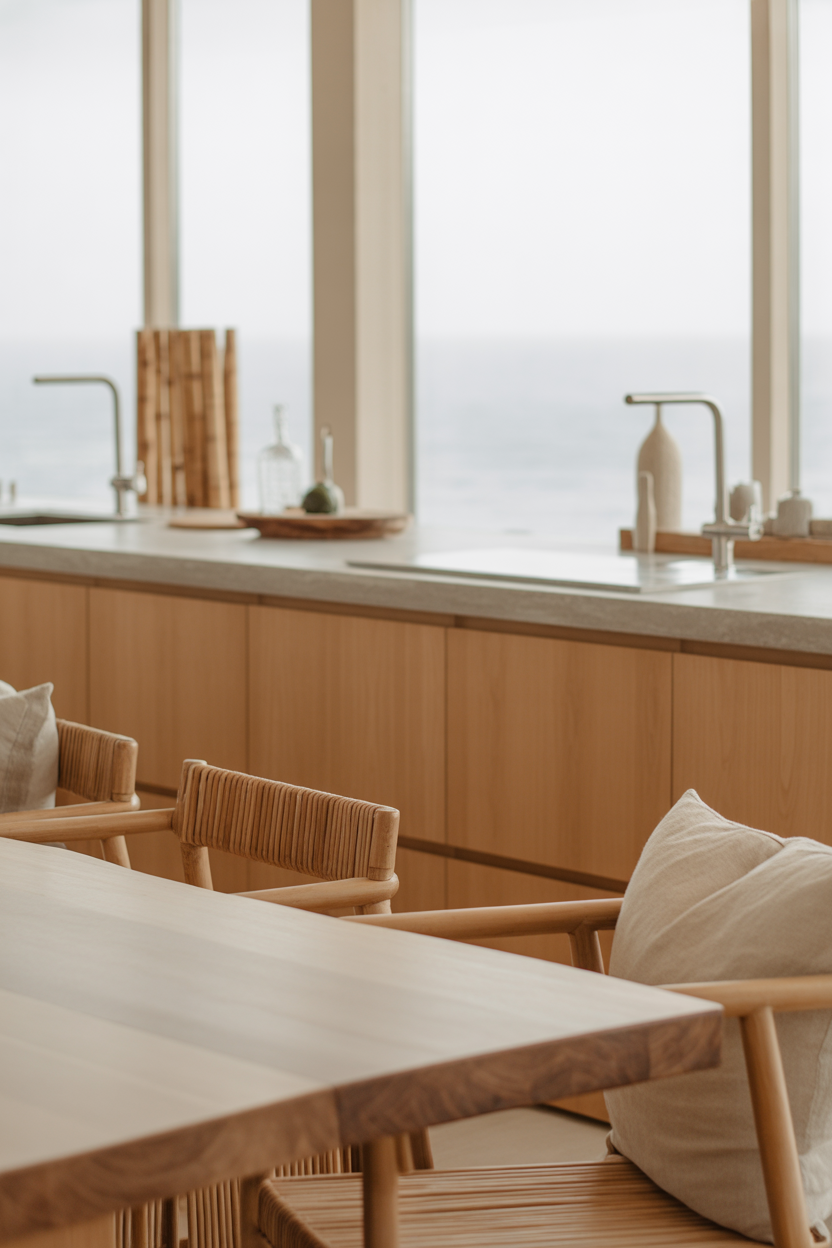
In a Japandi style kitchen, natural materials create warmth and harmony. Use wooden cabinetry with clean lines for a minimalist look. Pair it with a simple, light-colored stone countertop that adds texture without overwhelming the space.
Consider incorporating elements like bamboo accents or a live edge wooden table for an organic feel. Soft textiles in neutral tones complement the sleek finishes and provide comfort.
Natural light plays a key role, so maximize window space to enhance the beauty of these materials. This combination fosters a serene atmosphere, perfect for cooking and gathering.
Prioritize Functional Design
A Japandi style kitchen emphasizes functional design with clean lines and practical elements. Natural wood accents combine with minimalistic cabinetry, creating a warm yet uncluttered atmosphere. Open shelving displays curated kitchenware, merging beauty with accessibility.
Countertops made from durable materials, like quartz or concrete, offer both strength and elegance, making meal prep enjoyable.
Incorporate smart storage solutions, such as pull-out drawers and hidden compartments, to maintain a tidy space.
Lighting plays a crucial role; pendant lights with a simple design can enhance the kitchen’s ambiance while providing necessary illumination.
Use a Neutral Color Palette
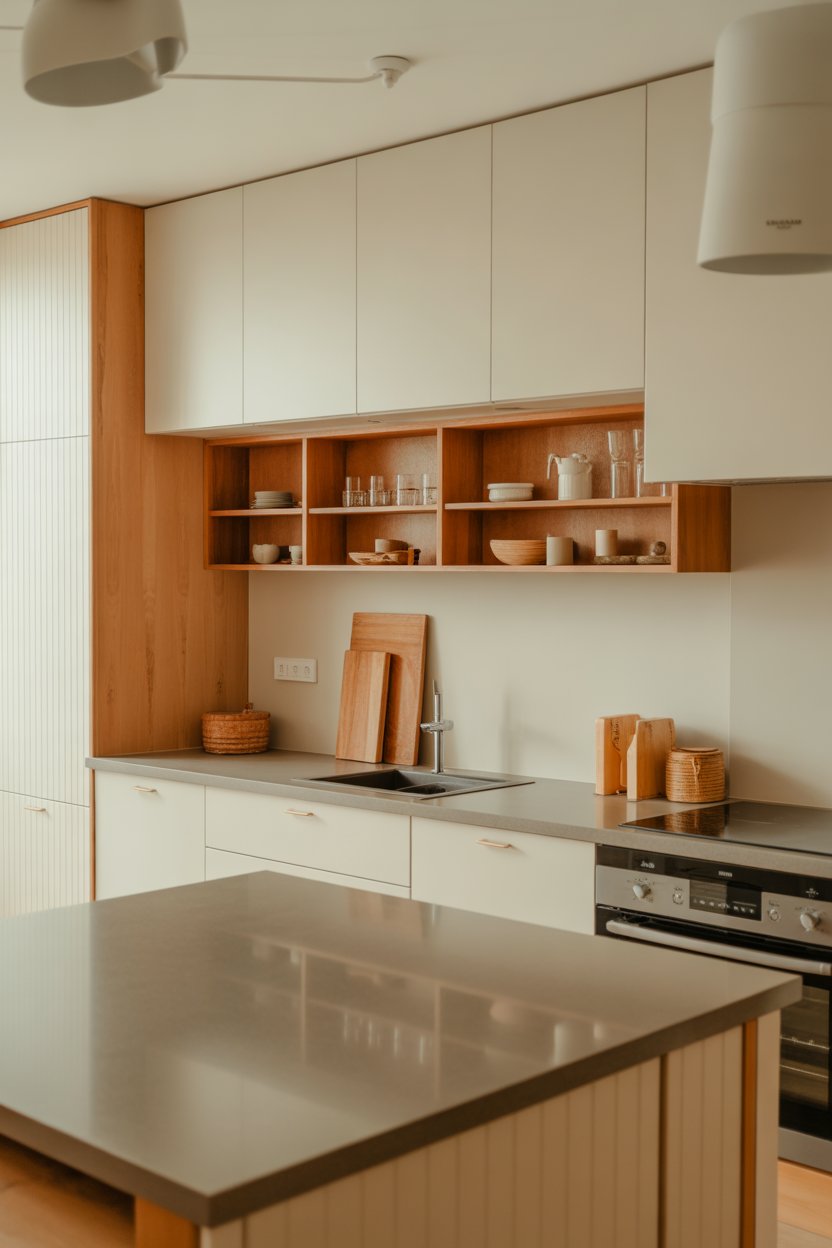
A Japandi style kitchen shines with a neutral color palette that creates a calm atmosphere. Soft whites, warm beiges, and muted grays form the backbone of this design. These shades provide a soothing backdrop, allowing natural textures and materials to take center stage.
Consider natural wood accents paired with sleek cabinetry to enhance the aesthetic. Earthy tones in your dishware or decor can also bring warmth and balance. To establish a cohesive look, choose complementary colors for your accessories, like plants or tableware.
This approach provides elegance and simplicity, embodying the essence of Japandi style.
Incorporate Open Shelving
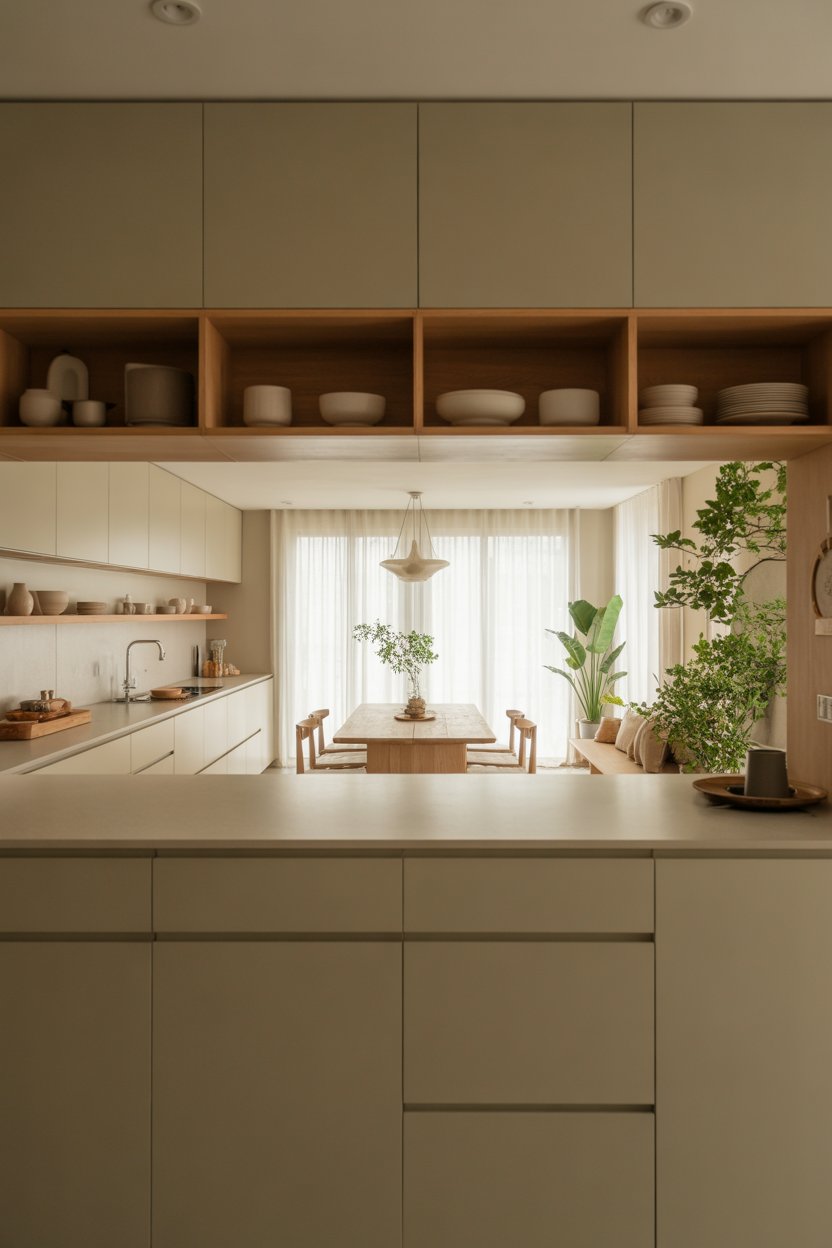
Open shelving is a key feature in a Japandi style kitchen, enhancing both functionality and aesthetics. These shelves display carefully chosen dishes and glassware, showcasing natural textures and subtle colors. Selecting items made from materials like wood or stone complements the overall design.
Keep shelves organized by grouping similar items together, creating a cohesive look. Consider adding plants or decorative jars for a touch of greenery and warmth. The open design allows for easy access, making cooking and entertaining effortless.
This style emphasizes simplicity, helping to maintain a clean and uncluttered space that feels welcoming.
Integrate Organic Textures
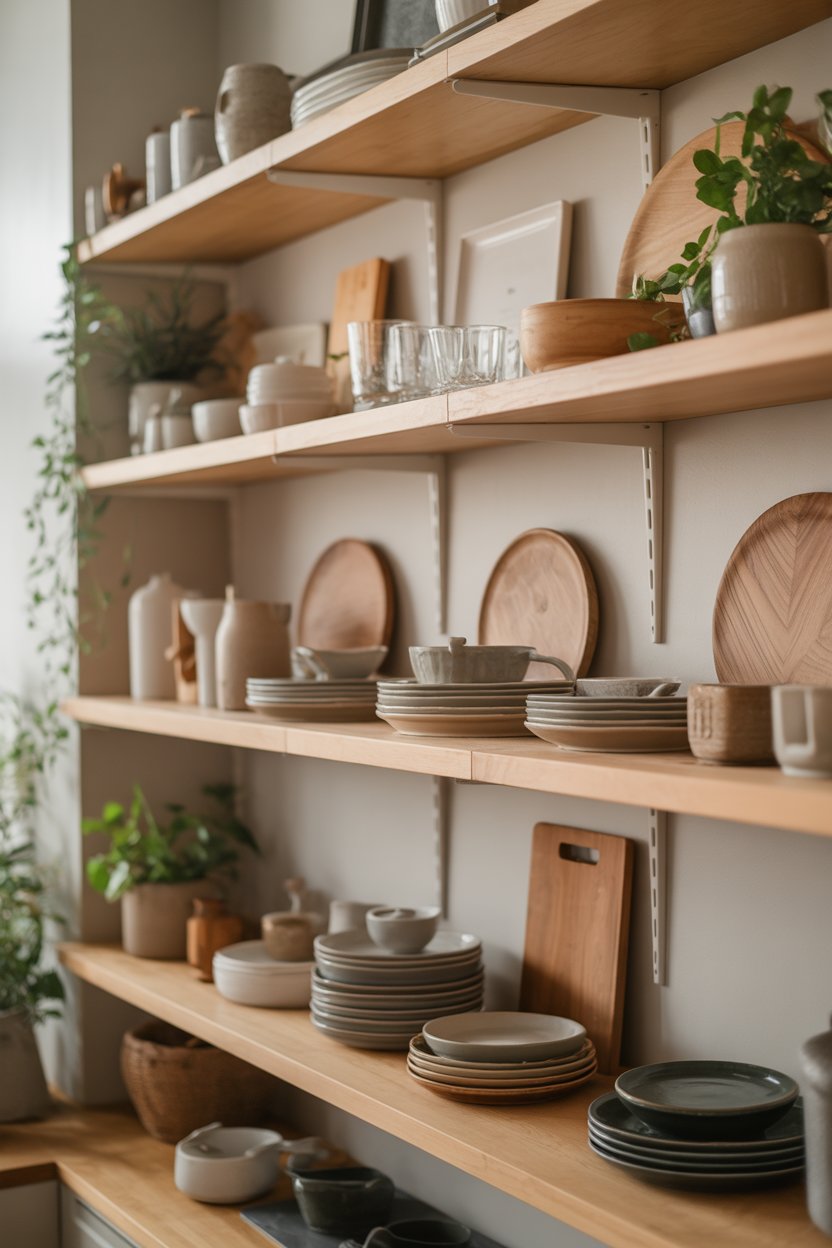
In a Japandi style kitchen, integrating organic textures creates warmth and balance. Consider using natural materials like wood for cabinetry and bamboo accents. The grain and imperfections of these materials add character and depth.
Incorporating stone countertops, such as granite or slate, enhances the earthy feel. Their rugged surfaces contrast beautifully with sleek appliances, marrying form with function.
To complete the look, add woven baskets or ceramic pottery that showcases the beauty of handmade craftsmanship. These elements not only serve practical purposes but also elevate the overall aesthetic, embodying the harmonious blend of Japanese and Scandinavian design principles.
Choose Simple, Clean Lines
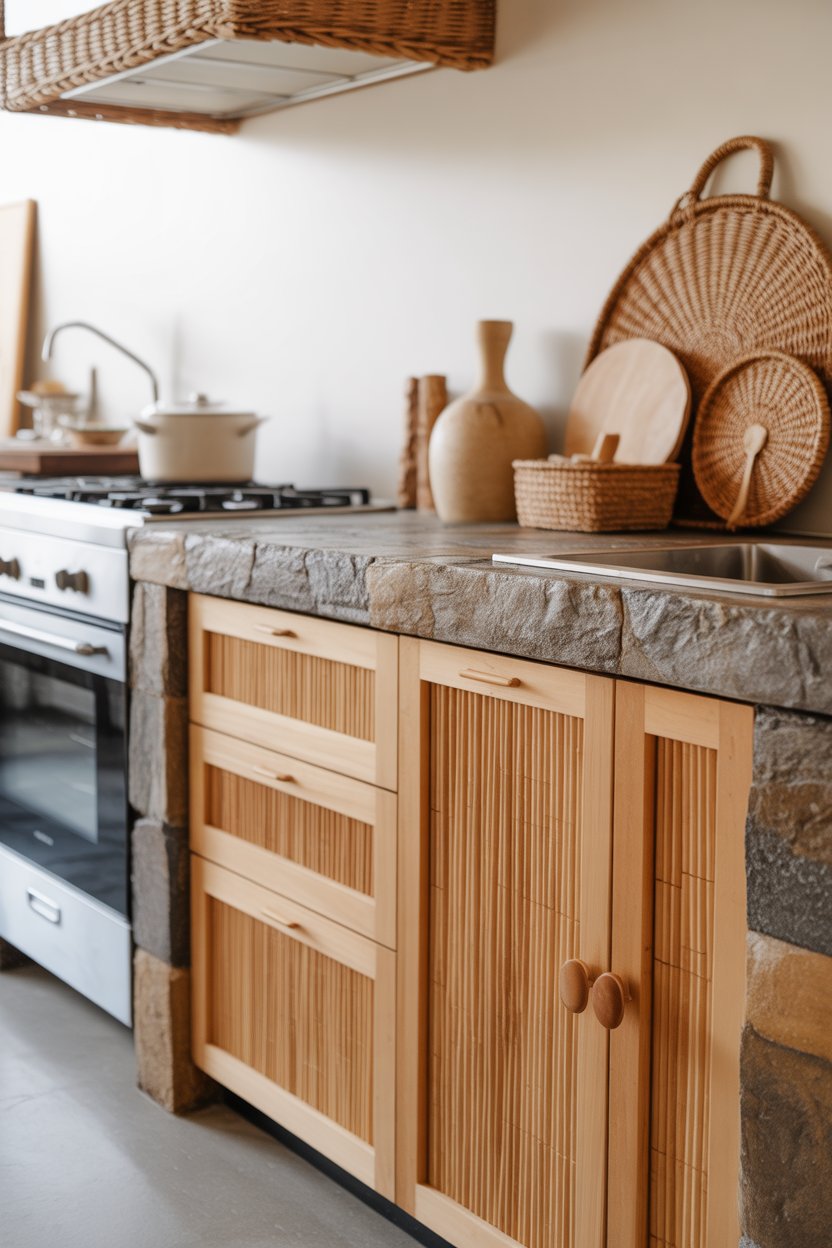
In a Japandi style kitchen, clean lines define the space. Choose cabinetry with a minimalist profile, avoiding intricate details. Flat-panel doors in muted colors create a seamless look, while open shelving showcases carefully selected dishware. Natural materials, such as wood or stone, enhance the simplicity and warmth of the design. Pair sleek countertops with understated hardware to maintain a cohesive aesthetic. Lighting plays a crucial role; opt for pendant lights with geometric shapes that echo the kitchen’s streamlined feel. This combination of elements fosters a serene atmosphere, inviting you to enjoy both cooking and gathering.
Add Indoor Plants
Incorporating indoor plants into your Japandi style kitchen brings a refreshing touch of nature. Choose plants like snake plants or pothos that thrive in low light and require minimal care. Display them in simple, ceramic pots to enhance the kitchen’s earthy aesthetic.
Place a few plants on the windowsill to enjoy natural sunlight, or hang them in macramé hangers for added visual interest. Their greenery contrasts beautifully against minimalist cabinetry and wooden accents.
Indoor plants not only purify the air but also create a warm, inviting atmosphere that complements the Japandi design philosophy.
Select Artisan Accessories
Artisan accessories enhance the charm of a Japandi style kitchen. Handcrafted ceramic bowls in muted tones add a personal touch and serve as functional décor. Consider wooden cutting boards made from sustainable materials, showcasing beautiful grain patterns that complement the minimalist aesthetic.
Textured linen dish towels in soft colors offer practicality while harmonizing with the overall design. Unique utensils, like bamboo spatulas or handmade pottery mugs, provide warmth and character.
Integrating these pieces elevates the kitchen’s ambiance, making it both stylish and inviting. Each accessory reflects the blend of Japanese simplicity and Scandinavian functionality, creating a cohesive look.
Create a Cozy Seating Area
A cozy seating area enhances the Japandi style kitchen by blending simplicity with warmth. A small, round dining table in natural wood complements the minimalist aesthetic. Surround it with comfortable chairs, perhaps featuring soft cushions in muted tones.
Incorporate a low bench along a window, adorned with plush throw pillows. This creates an inviting nook for morning coffee or casual meals. Soft, ambient lighting from pendant lamps adds a touch of elegance.
Choose decor that reflects tranquility, like potted herbs or a simple vase of flowers. This combination fosters a relaxed atmosphere, perfect for gatherings and intimate conversations.
Balance Light and Shadow
A Japandi style kitchen beautifully balances light and shadow, enhancing its serene atmosphere. Large windows allow natural light to flood in, creating an inviting space. Soft, neutral colors on the walls reflect this light, while darker elements like wooden cabinets add depth.
Accent lighting, such as pendant lights or under-cabinet fixtures, further highlights key areas. These choices create visual interest while maintaining a cohesive look. The interplay between bright surfaces and rich textures invites warmth and comfort, making the kitchen a welcoming hub for family and friends. Overall, this balance is essential to achieving the harmonious Japandi aesthetic.