With the global rise in awareness of gluten intolerance and celiac disease, more people are seeking delicious gluten-free alternatives to traditional cuisines. Japan, renowned for its culinary artistry, offers a surprising array of naturally gluten-free foods.
Dive into the world of Japanese gastronomy as we explore dishes that cater to gluten-sensitive palates without compromising on flavor!
The art of sushi and sashimi
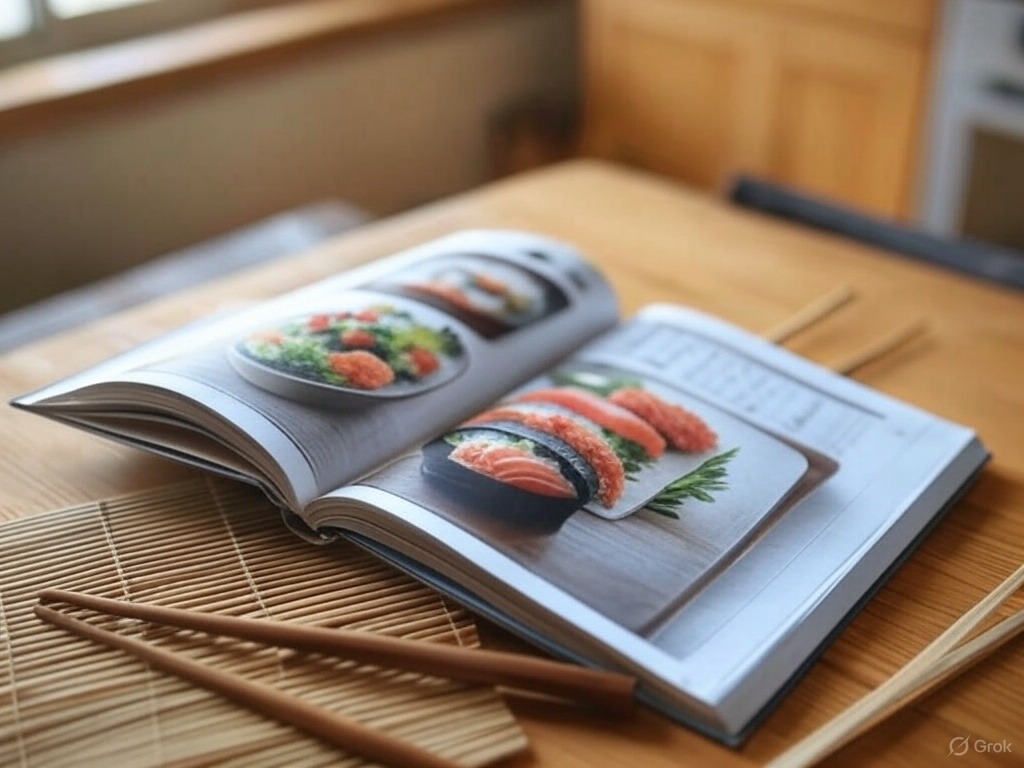
Sushi and sashimi are among the most popular Japanese dishes worldwide, celebrated for their delicate presentation and divine taste. They typically consist of fresh fish and seafood served either over vinegared rice or as raw slices, respectively. These dishes are fundamentally gluten-free, making them an excellent choice for those avoiding gluten.
While enjoying these delectable options, it’s crucial to be mindful of cross contamination and the sauces accompanying your meal. Soy sauce is often a staple condiment in Japanese cuisine; however, due to its wheat content, it isn’t suitable for a gluten-free diet. Thankfully, tamari, a soy sauce alternative traditionally made from fermenting soybeans without wheat, becomes a perfect companion to these dishes.
Embracing the versatility of rice
Rice plays a pivotal role in Japanese cuisine, forming the foundation of many dishes. Its gluten-free nature makes it an essential ingredient for anyone avoiding gluten. Onigiri, or rice balls, are simple yet satisfying snacks made by compressing seasoned rice around fillings such as pickled plum or grilled salmon. They provide a convenient and tasty option for those looking to enjoy Japanese flavors on the go.
Mochi, another rice-based delight, is crafted from glutinous rice flour and water, pounded into a chewy paste. It’s frequently shaped into small cakes and can be filled with sweet red bean paste or wrapped around ice cream. This treat highlights the adaptability of rice in creating both savory and sweet gluten-free dishes.
Experimenting with buckwheat noodles
Buckwheat, known as ‘soba’ in Japan, provides a nutritious and gluten-free alternative to wheat-based noodles. Despite its misleading name, buckwheat is not a type of wheat but rather a pseudo-cereal rich in protein and fiber. Soba noodles, crafted from buckwheat flour, are versatile and can be enjoyed hot in broth or cold with dipping sauce.
It’s important to scrutinize labels carefully when purchasing soba, as some may contain wheat flour. For a truly gluten-free experience, choose pure buckwheat soba incorporated into dishes like zaru soba, which features chilled noodles with a savory dipping sauce, typically made gluten-free using tamari.
Navigating Japanese dining: gluten-free considerations
Dining out while adhering to a gluten-free diet requires caution, especially in countries where gluten-free awareness may vary. However, Japan’s rich culinary landscape includes several dedicated gluten-free restaurants that cater to dietary restrictions, ensuring everyone can relish authentic flavors without concern.
When visiting traditional eateries, communication is key. Learning basic phrases related to gluten-free requests can greatly enhance your experience. Many restaurants now offer allergen charts and are accommodating to guests desiring modifications to avoid gluten exposure. Familiarizing oneself with common ingredients and requesting prepared meals separately reduces cross-contamination risks.
Gluten-free navigation tips for travelers
- 📱 Research gluten-free restaurants before travelling
- 📚 Learn essential Japanese phrases regarding dietary needs
- 🔍 Inquire about sauce and seasoning ingredients
- 🍣 Opt for plain rice or mochi for safe choices
Exploring yakitori and other skewers
Yakitori, or grilled chicken skewers, showcase how simplicity can meet gourmet expectations. Often seasoned with just salt, they serve as a naturally gluten-free entree. While this dish predominantly uses chicken, a variety of skewered options like vegetables, beef, or seafood enrich the menu, offering diversity without gluten concerns.
Pondering different seasonings elevates the yakitori experience further. Common glazing sauce (‘tare’) could contain gluten due to soy sauce, so asking for a tamari-based glaze ensures a complete balance of flavor with adherence to dietary guidelines. Moreover, homemade versions allow full control over the ingredients, guaranteeing a worry-free meal.
Japanese street food: embracing gluten-free treats
Japan’s vibrant street food culture embraces unique flavors and innovative presentations. Amongst the bustling stalls, you’re likely to encounter dishes suitable for gluten-conscious eaters, spotlighted by products like tako-yaki or grilled octopus balls, traditionally coated in moist batter. A gluten-free batter swap opens up possibilities anew.
Sweet tooth inclinations find satisfaction through favorites including dango—sticky rice dumplings drizzled with syrup—or pancakes called dorayaki (filled with azuki bean). By selecting certified gluten-free alternatives for those ingredients containing gluten, it remains feasible to enjoy these quintessential temptations securely.
Delicate desserts: beyond mochis and bean pastes
Beyond classic mochi, less obvious creations await discovery within Japanese pastry selections. Yokan prevails as an example—a bar made mainly from sweetened red beans and kanten gelatin. Naturally devoid of gluten, its silky texture and mild sweetness make it memorable without unwanted additives.
Anmitsu, meanwhile, encompasses cubed jellies topped with fruit cocktail, characterized by refreshing lightness enhanced subtly via strategic drizzle combining black sugar syrup infusion alongside traditional toppings sure to satisfy discerning dessert seekers mindfully indulging whilst abstaining from gluten sources.
FAQs on navigating Japanese gluten-free cuisine
Can soba noodles be found everywhere, and are they always gluten-free?
Despite their prevalence across Japan, not all soba dishes guarantee gluten exclusion. Always seek confirmation or opt for specialized venues providing pure buckwheat substitutes. Often accessible within larger supermarkets, too, differentiating between mixes containing commercial admixtures versus coarsely-ground, single-origin renderings.
How do I ensure yakitori is gluten-free at local diners?
Verify preparation techniques directly upon ordering. Specifications shouldn’t include standard tare glazing composed predominately utilizing regular soy mixtures. Instead, opt for a custom tamari-edition, ensuring uncontaminated grilling methods. Engaging in direct communication with the staff can facilitate a positive dining experience.
Is sushi always safe for someone on a gluten-free diet?
While the primary components, such as rice and fish, are inherently gluten-free, extra care should be taken concerning sauces utilized during serving. Stick to using tamari-flavored dips to ensure a safe and enjoyable meal.