Clean Japanese interior design is all about simplicity and calm.
It focuses on minimalism and natural elements to create a peaceful space. Here are ten simple ways to embrace this style in your home.
1. Use Neutral Color Palettes
In Japanese interior design, a soothing atmosphere begins with a calm, neutral color palette. Think of soft whites, gentle beiges, and muted greys—these shades mimic the tranquility of nature. Just as a quiet forest brings peace to the mind, these colors create a serene backdrop that invites relaxation and mindfulness into your space.
Consider incorporating textures to add warmth without overwhelming the senses. A light wood table, a woven cotton throw, or a delicate paper lantern can enhance the calming effect of your neutral scheme. This way, your home feels like a gentle hug, inviting you to unwind.
- Emphasize natural light to enhance colors.
- Mix textures for warmth and depth.
- Use art sparingly to maintain peace.
2. Choose Simple Furniture Designs
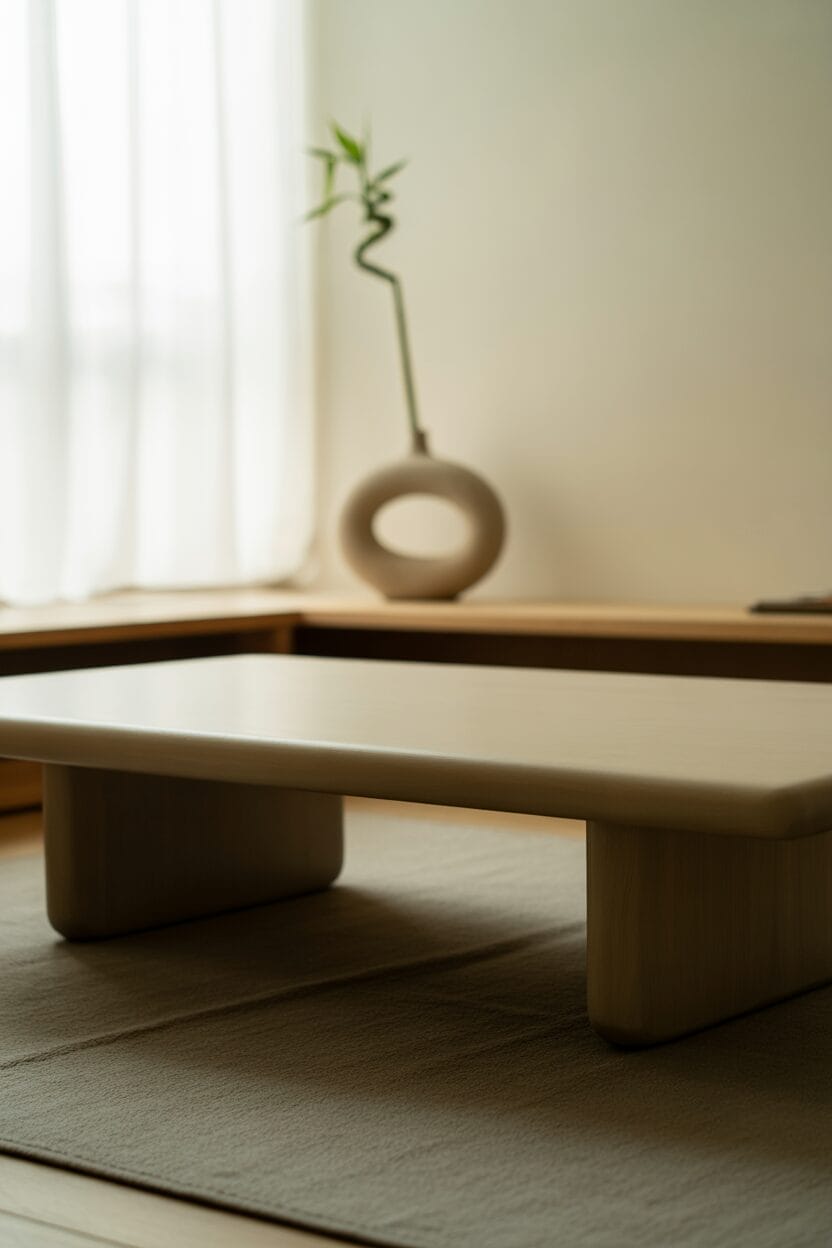
When selecting furniture for a Japanese-inspired interior, simplicity is key. Imagine a serene pond, where the stillness of the water reflects the beauty of the surrounding nature. Similarly, your furniture should evoke a sense of calm and balance. Opt for pieces that are clean-lined and functional, avoiding ornate designs that can clutter the space.
Consider natural materials like wood or bamboo, which bring warmth and texture without overwhelming the senses. A low, simple table can be paired with floor cushions to create an inviting gathering space. This blend of functionality and minimalism allows your home to breathe, creating a peaceful retreat.
- Natural materials: Choose wood, bamboo, or rattan.
- Functional design: Look for multi-purpose pieces.
- Clean lines: Favor simplicity over ornate details.
3. Add Natural Materials
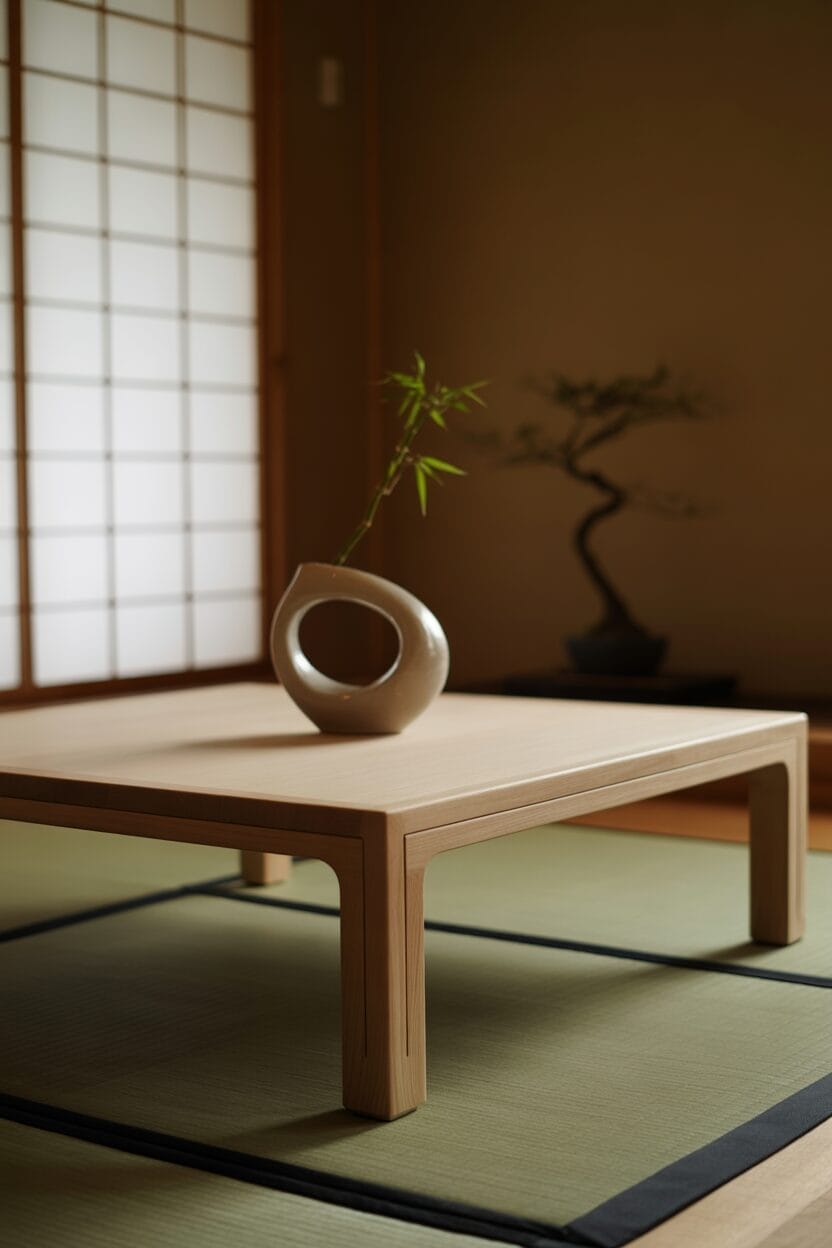
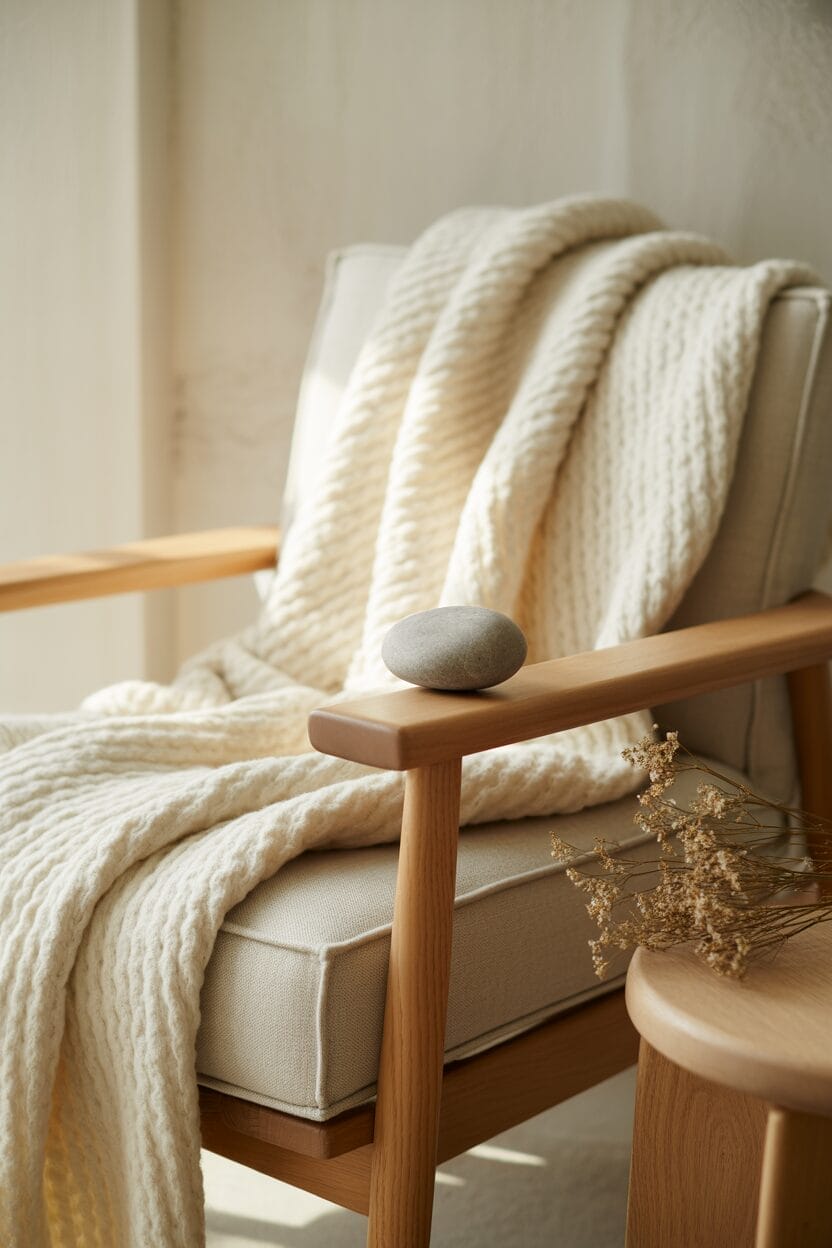
Incorporating natural materials into your space can create a serene atmosphere, reminiscent of a quiet forest or a gentle stream. Wood, stone, and cotton not only add warmth but also invite a sense of tranquility. Imagine a soft, organic cotton throw draping over a simple wooden chair, or a smooth stone centerpiece on a minimalist table. These elements help ground your space in nature, fostering a connection that feels both calming and nurturing.
Consider selecting pieces that showcase their natural beauty, such as a handcrafted wooden bowl or linen curtains that softly sway with the breeze. By allowing the textures to speak for themselves, you create a harmonious environment that encourages relaxation and reflection.
- Natural wood: Choose furniture or decor that highlights its grain and texture.
- Soft textiles: Incorporate organic fabrics like cotton or linen for comfort.
- Stone accents: Use smooth stones or pebbles for decor to bring the outdoors in.
4. Keep Decorations Minimal
In the spirit of Japanese interior design, embracing a minimalistic approach to decorations invites a sense of tranquility into your home. Imagine a serene landscape, where each piece has room to breathe. This doesn’t mean your space should feel bare; rather, it’s about selecting a few meaningful items that evoke calm and joy. A single delicate vase with a fresh flower can serve as a focal point, inviting nature’s beauty indoors.
When curating your decorations, think of each item as a note in a beautiful melody. Too many notes can create chaos, while a few well-placed ones can resonate harmony. Consider these tips:
- Choose quality over quantity.
- Incorporate natural elements like wood or stone.
- Utilize open spaces to enhance light and airiness.
5. Incorporate Sliding Doors
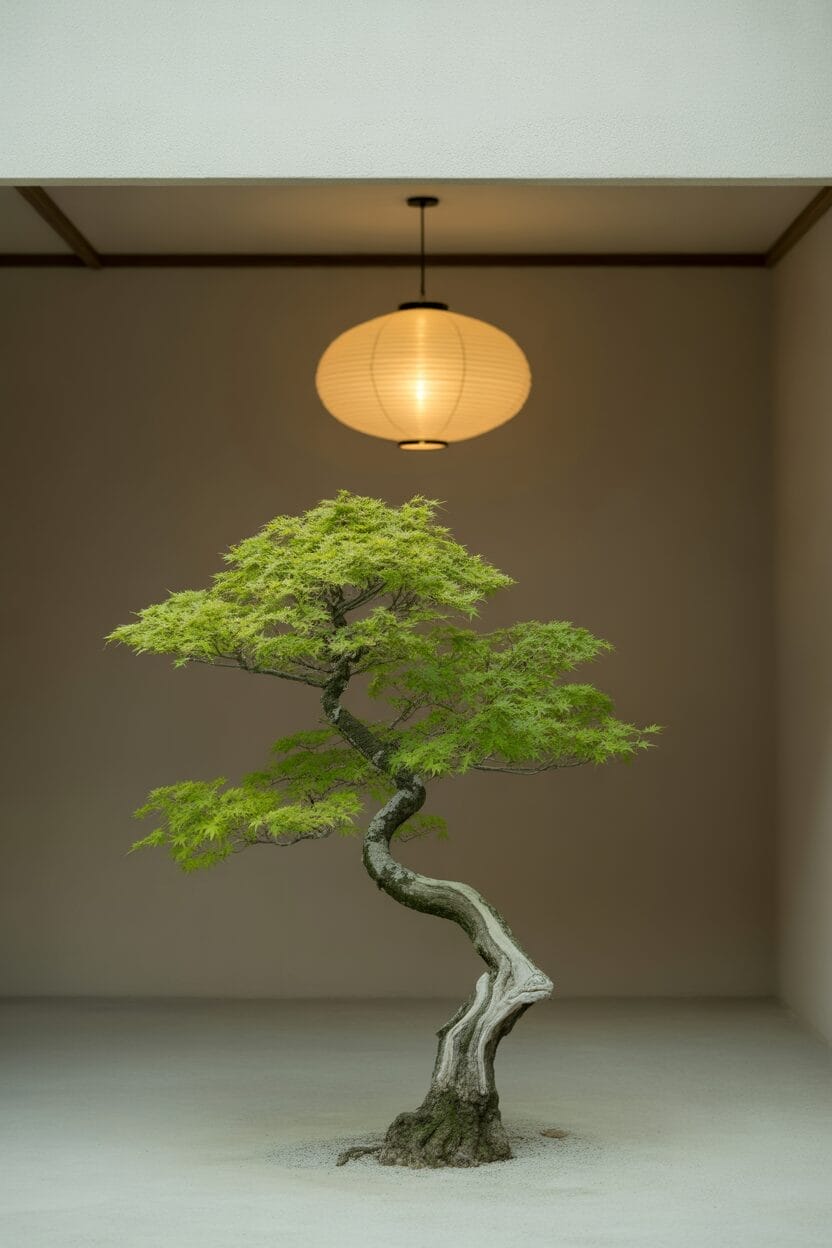
Sliding doors are a beautiful way to bring harmony and fluidity into your space. They not only save space but also create a serene transition between rooms, much like the gentle flow of a stream. Imagine opening a sliding door to let in natural light and fresh air, enhancing both the aesthetic and atmosphere of your home.
Consider using shoji screens or contemporary sliding doors made from natural materials. These elements can provide privacy while maintaining a feeling of openness. To create a cohesive look, think about matching the wood tones with your existing furniture or accents.
- Natural materials: Choose wood or bamboo for warmth.
- Light filters: Opt for translucent panels to soften light.
- Space savers: Perfect for small areas where traditional doors might hinder flow.
6. Use Low Furniture Pieces
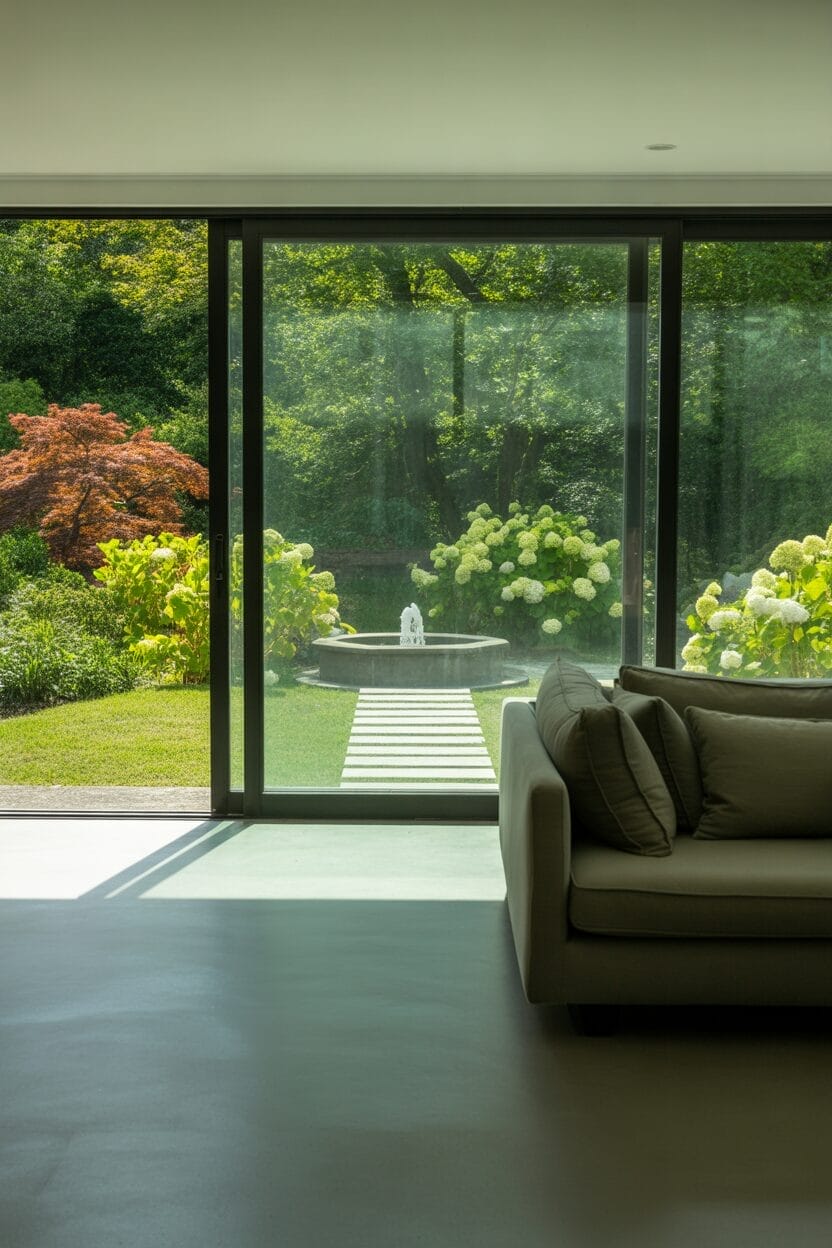
Choosing low furniture pieces can create a sense of spaciousness and tranquility in your home. Imagine a cozy, inviting living room where you can sit comfortably on a low sofa, allowing you to engage with others at eye level, fostering a warm atmosphere. This approach embodies the essence of Japanese design, promoting simplicity and harmony.
By selecting low tables and seating options, you not only enhance the flow of your space but also encourage a more relaxed, grounded feeling. Consider incorporating a few of these elements:
- Low sofas: For a snug, inviting environment.
- Platform beds: To create a serene sleeping space.
- Low coffee tables: That encourage easy conversation.
7. Embrace Open Spaces
Open spaces invite a sense of calm and clarity, much like a quiet morning in a serene garden. By reducing clutter and allowing the room to breathe, you create a tranquil atmosphere that enhances both relaxation and focus. Think of your space as a blank canvas, where each element serves a purpose and contributes to the overall harmony.
To embrace this philosophy, start by rearranging your furniture to promote flow and light. Consider using multifunctional pieces that keep things tidy and minimal. A few well-placed plants or simple art can add life without overwhelming the senses.
- Prioritize natural light: Open curtains to let sunlight in.
- Choose lighter colors: Soft hues create airy vibes.
- Limit decorative items: Select only what brings you joy.
8. Add Plants for Freshness
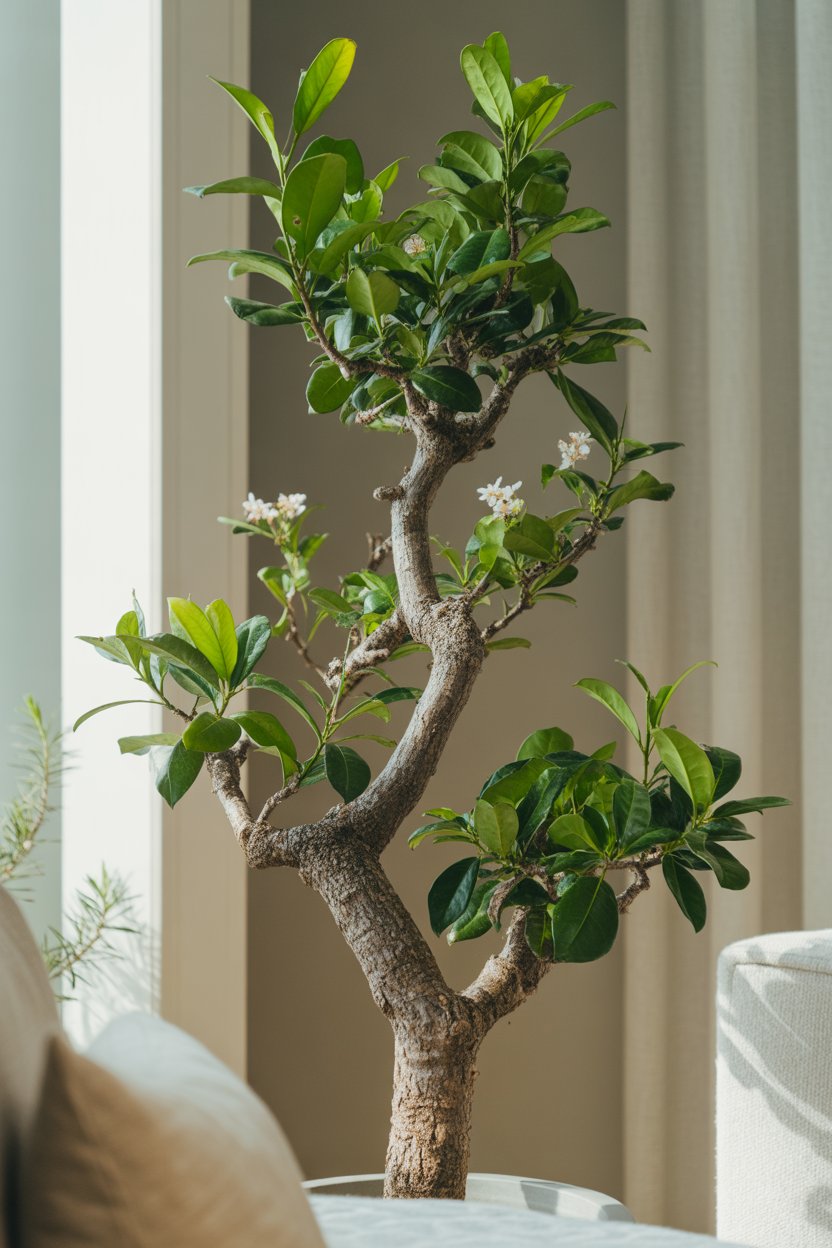
Incorporating plants into your space can breathe new life into your home, bringing a sense of calm and freshness reminiscent of a serene Japanese garden. Consider placing a few delicate bonsai or vivid green ferns in corners where sunlight softly filters through. Their gentle presence not only enhances the aesthetic but also purifies the air, creating a harmonious environment.
As you choose your plants, think of them as living art. Each variety has its own unique shape and texture, adding depth to your interior. Start with a couple of easy-to-care-for options, like snake plants or peace lilies, and watch as they transform your space into a peaceful retreat.
- Natural beauty: Enhances overall ambiance
- Air purification: Improves indoor air quality
- Mindfulness: Encourages moments of reflection
9. Focus on Natural Light
Natural light brings a serene energy to any space, reminiscent of a gentle sunrise spilling warmth into your home. By maximizing the sunlight that enters your rooms, you can create an atmosphere that feels open and inviting, much like a peaceful garden bathed in morning light.
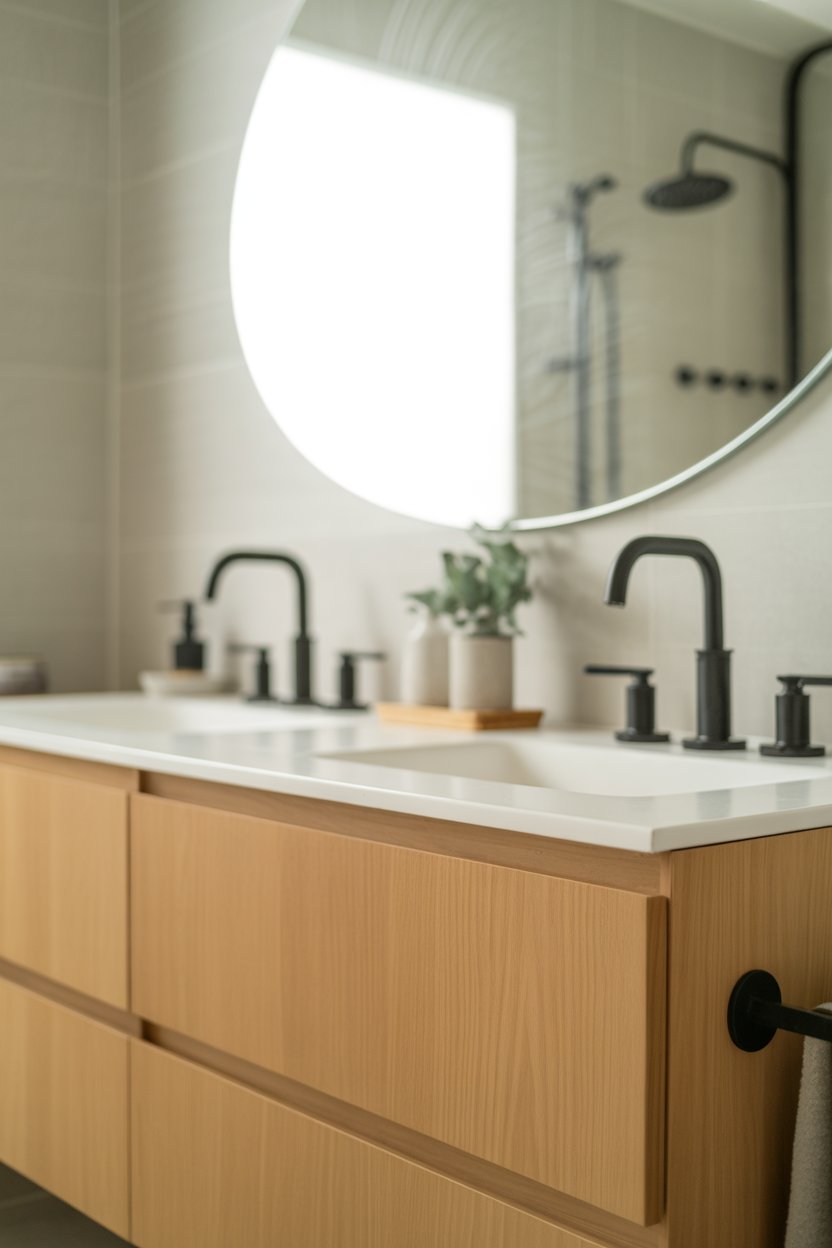
Consider using sheer curtains that allow soft light to filter through, or positioning mirrors to reflect and amplify the sunlight in your living areas. This simple shift can make your space feel more expansive and connected to nature.
- Sheer curtains: Enhance light while maintaining privacy.
- Mirrors: Reflect and brighten dark corners.
- Open layout: Encourage light flow between rooms.
10. Create a Zen Corner
Create a little sanctuary in your home by setting up a Zen corner. Choose a quiet spot where you can retreat, perhaps near a window that invites in soft, natural light. Incorporate gentle elements like a cozy cushion, a small indoor plant, or a calming piece of art. This space should feel like a warm embrace, inviting you to pause and breathe deeply.
Consider filling this corner with items that resonate with you, like a cherished book or a fragrant candle. The goal is to cultivate a sense of peace and mindfulness. Allow yourself to step into this tranquil space whenever you need a moment of clarity or calm.
- Soft lighting: Use a lamp or candles for a warm glow.
- Natural elements: Incorporate plants or stones for grounding.
- Comfort items: Add a soft blanket or a favorite pillow.