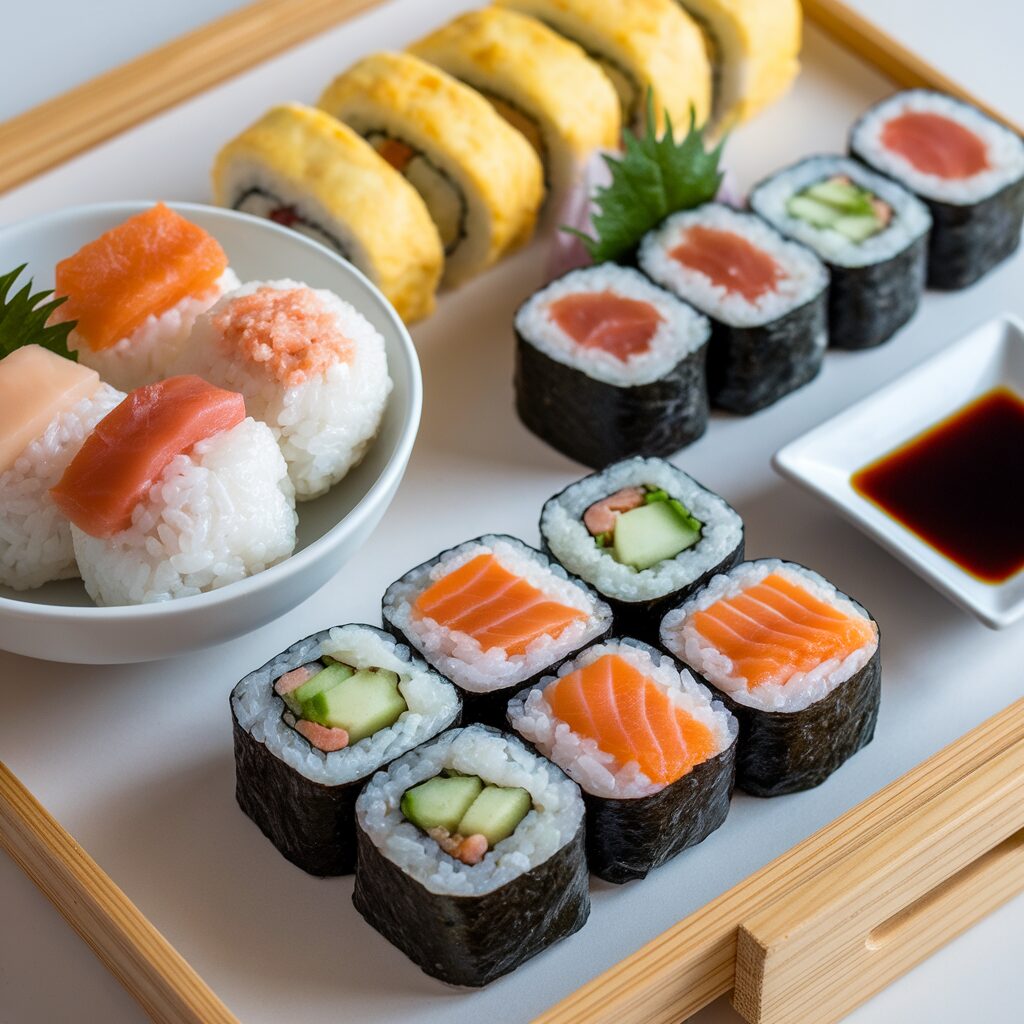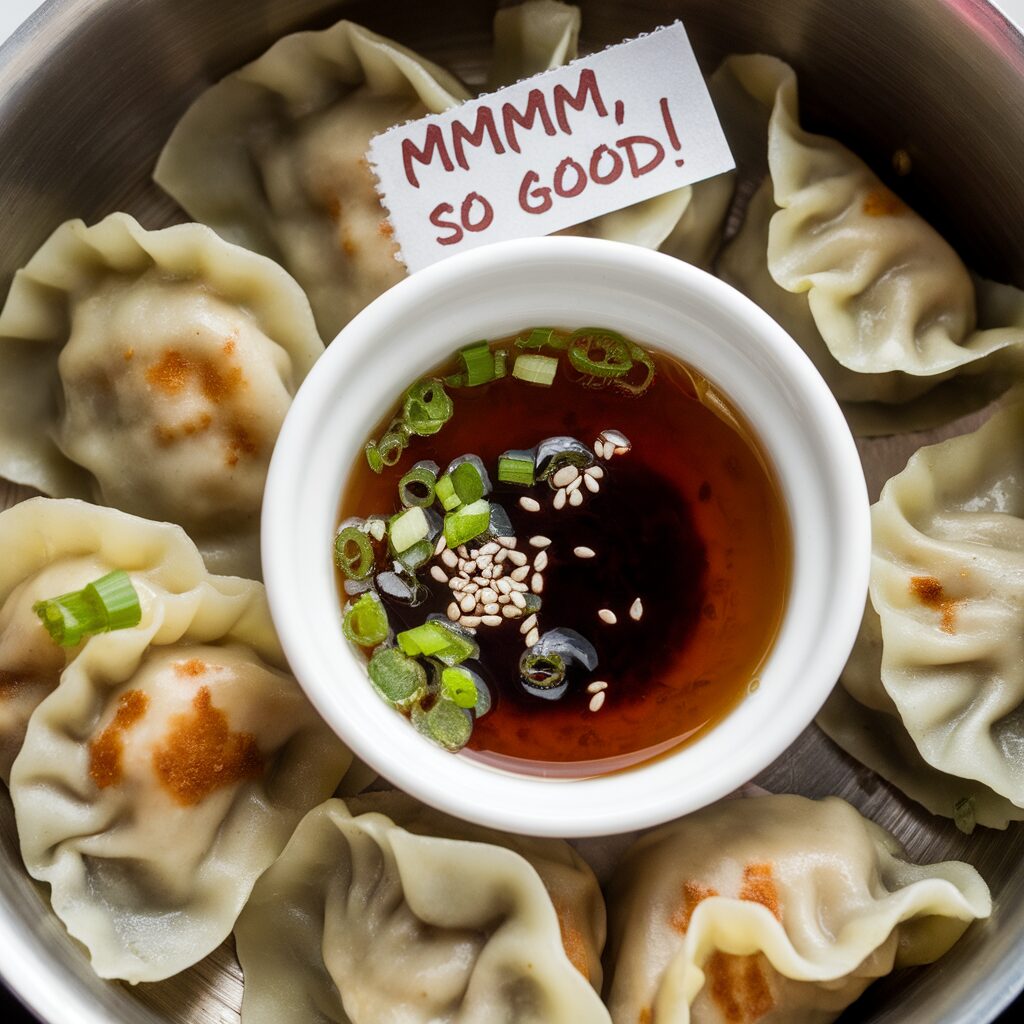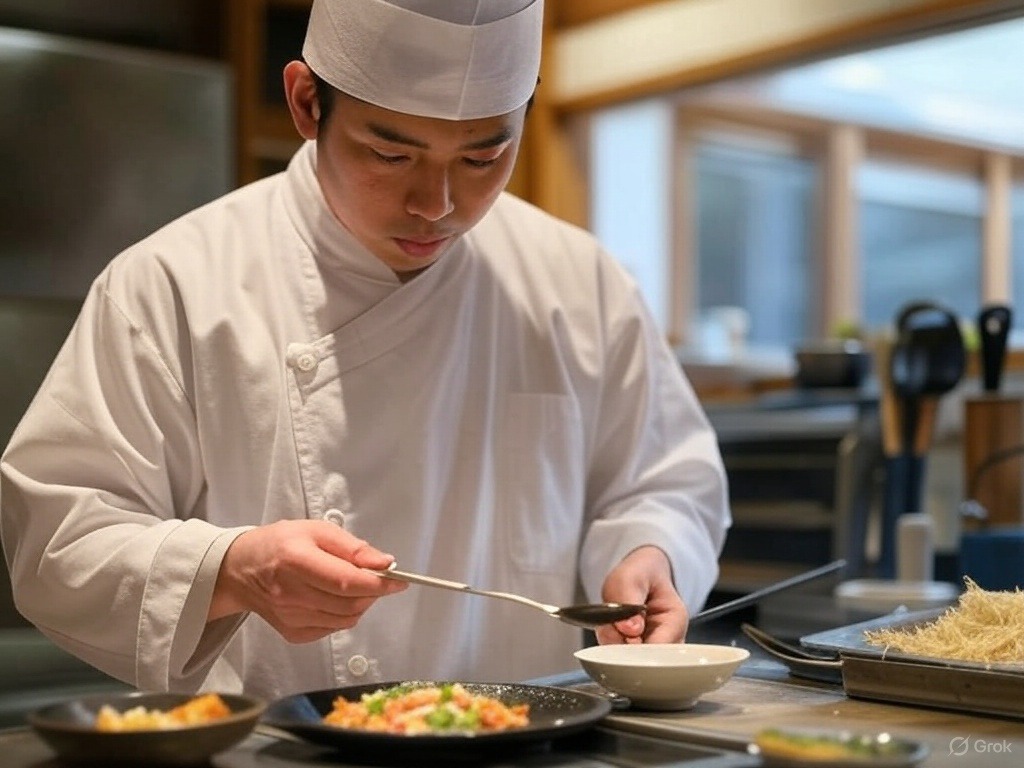

Japanese cuisine (washoku) has gained worldwide appreciation for its emphasis on seasonal ingredients, meticulous preparation, and artistic presentation.
While it might seem intimidating at first, understanding a few foundational principles and techniques can open the door to creating authentic Japanese dishes at home. This guide explores the essential components that form the backbone of Japanese cooking.
The Five Fundamental Flavors
Japanese cooking celebrates umami, the fifth taste alongside sweet, sour, salty, and bitter. This savory depth comes from ingredients rich in glutamates and is central to Japanese cuisine’s appeal.
Traditional Japanese cooking aims to achieve a harmonious balance of these five flavors, with many dishes containing elements of each:
- Sweet (Amai): Mirin, sugar, sweet rice wine
- Sour (Suppai): Rice vinegar, yuzu, umeboshi
- Salty (Shio): Soy sauce, salt, miso
- Bitter (Nigai): Matcha, bitter melon, certain mountain vegetables
- Umami: Dashi, bonito flakes, kombu, mushrooms, fermented foods
Essential Pantry Ingredients
Building a Japanese pantry requires just a few key staples:
- Shoyu (Soy Sauce): The fundamental seasoning in Japanese cooking, available in light (usukuchi) and dark (koikuchi) varieties
- Miso: Fermented soybean paste that comes in white (shiro), yellow (shinsu), and red (aka) varieties, each with increasing intensity
- Mirin: Sweet rice wine used for glazing and adding sweetness
- Rice Vinegar: Milder than Western vinegars, essential for sushi rice and dressings
- Sake: Rice wine for cooking and tenderizing proteins
- Kombu: Dried kelp used for dashi and adding umami
- Katsuobushi: Dried, fermented, and smoked skipjack tuna flakes for dashi and garnish
- Japanese Short-Grain Rice: Sticky, pearl-like grains that hold together when cooked
Dashi: The Foundation of Flavor
Dashi is the cornerstone of Japanese cooking—a simple sea stock that provides umami depth to countless dishes including miso soup, noodle broths, and simmered dishes.
Basic Dashi Recipe:
- Soak a 4-inch piece of kombu in 4 cups of cold water for 30 minutes
- Heat slowly until just before boiling
- Remove kombu and add 1 cup bonito flakes
- Turn off heat, let steep for 2 minutes
- Strain and use immediately or refrigerate
This clear broth may seem subtle to the Western palate but provides the quintessential flavor foundation for Japanese cooking.
Cooking Techniques
Japanese cuisine employs several distinctive cooking methods:
- Nimono (Simmering): Ingredients gently cooked in dashi, soy sauce, mirin, and sake
- Yakimono (Grilling): Direct-heat cooking over charcoal for items like yakitori and fish
- Mushimono (Steaming): Gentle cooking that preserves nutrients and natural flavors
- Agemono (Deep-frying): Light, crisp batters as seen in tempura
- Suimono (Clear Soups): Delicate, transparent broths that showcase seasonal ingredients
- Tsukemono (Pickling): Preserving and enhancing vegetables through salt, brine, or rice bran fermentation
The Principle of Seasonality (Shun)
Japanese cooking is deeply connected to the seasons. The concept of shun refers to catching ingredients at their peak moment of flavor and nutritional value. This reverence for seasonality influences everything from menu planning to presentation.
The traditional Japanese calendar recognizes 24 seasons rather than just four, highlighting the culture’s nuanced attention to seasonal transitions. Menus change regularly to showcase the best available ingredients, and dishes are often garnished with seasonal elements that signal the time of year.
Presentation Principles
Japanese cuisine places tremendous importance on visual appeal:
- Ma (Negative Space): Empty space on the plate is valued as much as the food itself
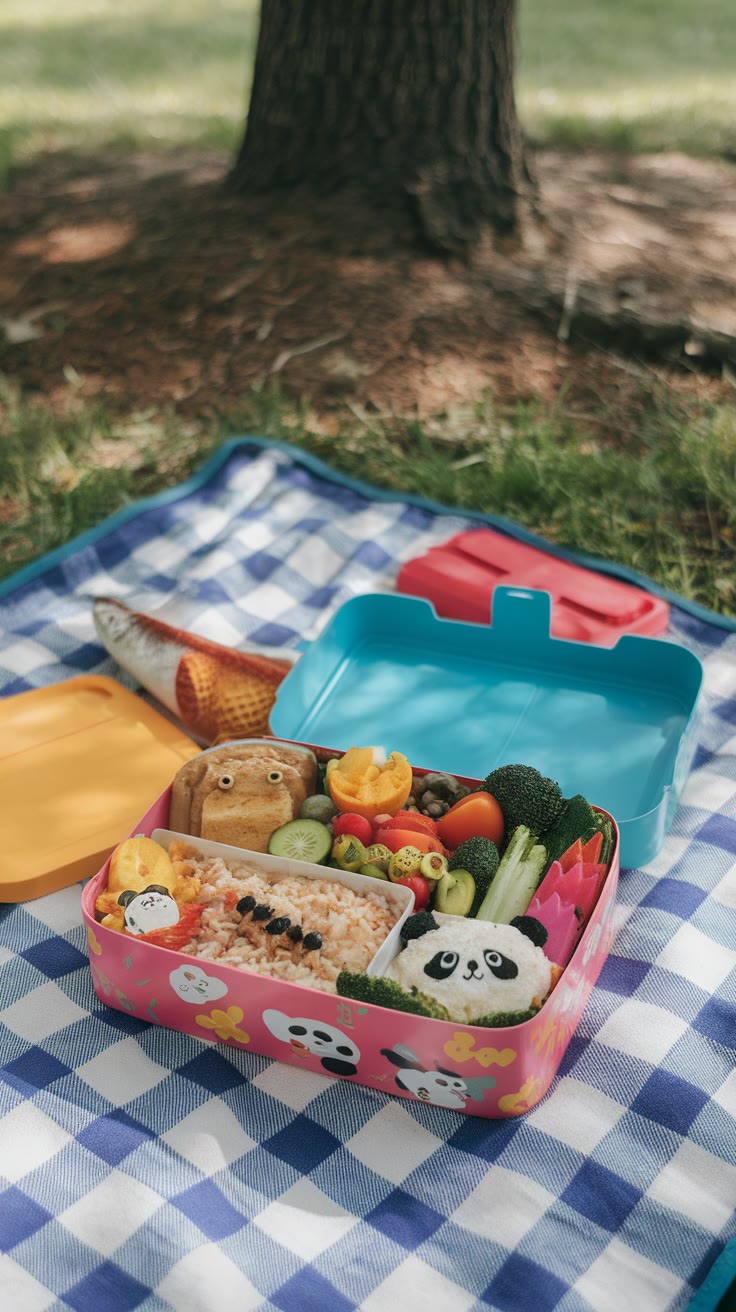
- Balance of Colors: Traditional meals aim for five colors: red, yellow, green, white, and black
- Seasonal References: Dishes are garnished or presented in ways that evoke the current season
- Proper Vessels: Choosing dishware that complements the food in color, texture, and shape
- Portion Control: Small, manageable portions arranged thoughtfully rather than heaped plates
The Structure of a Traditional Meal
A complete Japanese meal follows the principle of ichiju-sansai (one soup, three sides) plus rice:
- Gohan: Steamed rice, the center of the meal
- Shiru: Soup, typically miso-based
- Okazu: Three side dishes of varying preparation methods
- One protein dish (fish, meat, tofu)
- One vegetable dish
- One pickled/fermented dish
This structure ensures nutritional balance and variety of flavors and textures.
Knife Skills and Cutting Techniques
Precise cutting is fundamental to Japanese cooking, with specific techniques for different ingredients:
- Katsuramuki: Creating paper-thin sheets from vegetables
- Julienne/Matchstick (Tanzaku): Thin, uniform strips
- Rangiri: Diagonal rolling cuts for irregular shapes that cook evenly
- Sogigiri: Thinly slicing at an angle to create more surface area
A sharp knife is essential—traditional Japanese knives are single-beveled for precision cutting, though double-beveled Western-style Japanese knives are now common.
Starting Your Japanese Cooking Journey
For beginners, these foundational dishes offer an excellent introduction:
- Miso Soup: Practice making dashi and balancing flavors
- Tamagoyaki: Master heat control with this rolled omelet
- Teriyaki Salmon: Learn glazing techniques and proper fish cooking
- Sunomono: Simple vinegared cucumber salad to practice knife skills
- Onigiri: Perfect Japanese rice cooking and handling
The Spirit of Japanese Cooking
Beyond techniques and ingredients, Japanese cooking embodies philosophical elements:
- Mottainai: The concept of avoiding waste by using ingredients fully
- Kansha: Cooking with gratitude and appreciation for ingredients
- Washoku: Harmony of food with people, culture, and nature
Understanding these principles transforms Japanese cooking from a set of recipes into a meaningful culinary practice.
Japanese home cooking is ultimately about respecting ingredients, mastering fundamental techniques, and creating balance—values that can enhance any culinary tradition. With these basics in hand, you’ll be well-equipped to explore the rich, rewarding world of Japanese cuisine.