
Quality of Life in Okinawa

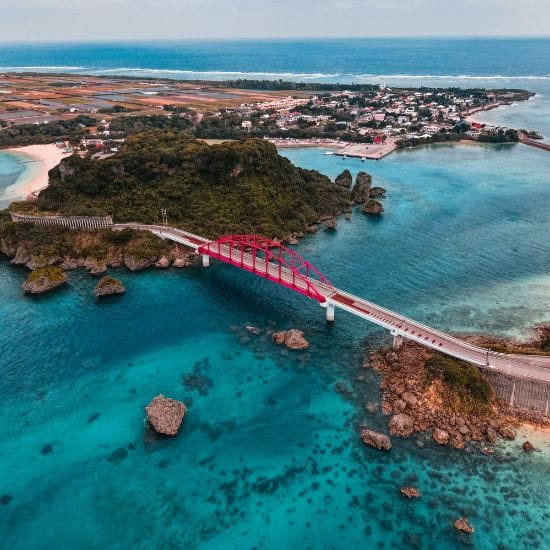
My experience in Okinawa has shown me that the quality of life is high. The subtropical climate is pleasant, with mild winters and warm summers.
I often explore the beautiful beaches and the unique Japanese culture, which blends traditional Japanese customs with its own Ryukyuan heritage.
Regarding housing, I’ve found that living spaces can vary significantly:
- 1-bedroom: around 707 sq ft
- 2-bedroom: approximately 975 sq ft
- 3-bedroom: about 1,379 sq ft
The residents here prioritize community and wellness, contributing to a sense of peace. I’ve noticed a unique social harmony and a slower pace of life that emphasizes family and nature.
I’ve embraced the Okinawan diet, which is rich in vegetables and seafood and known for its health benefits. Observing the elderly community, it’s clear that these dietary habits, along with an active lifestyle, contribute to their remarkable longevity.
The presence of American expatriates has shaped certain neighborhoods, like Sunabe, where there’s easy access to water activities like scuba diving and local gastronomy, with an international touch due to the proximity of military bases.
My access to amenities is generally good with public transport linking the major areas. However, I make Okinawa my home by choosing to live a balanced distance from my work.
This allows me to enjoy my neighborhood’s social and natural offerings while maintaining a manageable commute.
Cost of Living
In Okinawa, I find the costs of living to be relatively affordable compared to many urban areas worldwide. I will outline the specifics of housing and daily living expenses to provide insight into the financial aspect of residing in this city.
Housing Costs
Housing in Okinawa offers a variety of options to suit different budgets. For renters, here’s what you can expect:
- 1-bedroom: Typically around 70,698 sq ft, possibly larger depending on the area.
- 2-bedroom: On average, 975.17 sq ft, suitable for small families.
- 3-bedroom: Offers about 1,379.20 sq ft, ideal for larger families.
If you’re looking into buying a property, homes in this region of Japan vary widely in price.
A new build can be secured for roughly $200,000 – $300,000, while an ‘akiya’ (abandoned home) might cost as low as $40,000, depending on condition and location. This makes living in this city affordable compared to other cities in Japan.
Daily Expenses
My monthly budget breakdown for living expenses without rent in Okinawa:
- Single individual: Around $797.50 (124,291.4¥)
- Family of four: Approximately $2,800.00 (436,379.1¥)
These figures cover groceries, public transportation, utilities, and leisure activities, showcasing Okinawa’s low cost of living compared to other cities.
You’ll never have to worry about overspending on food in Okinawa, as prices are significantly lower than in places like New York City, making it a budget-friendly destination.
Climate and Weather
Getting used to Okinawa’s climate is one of its most appealing features for residents and visitors alike. Okinawa has a humid subtropical climate, characterized by long, warm summers and mild winters, which provides an overall pleasant living environment year-round.
During the summer months, I experience consistent warmth with average temperatures hovering around 30°C (86°F). However, this is often paired with high humidity, which can make the heat feel more intense.
To better illustrate the temperature ranges, here’s a concise table:
| Month | Avg. High (°C) | Avg. Low (°C) |
| January | 20.1 | 15.4 |
| April | 24.1 | 20.2 |
| July | 31.9 | 27.2 |
| October | 29.0 | 25.1 |
Winter here is relatively mild, with temperatures rarely dropping below 15°C (59°F). Based on past records, the coldest nights might see a drop to around 12.5°C (54.5°F).
Rainfall is spread throughout the year but peaks during the early summer, coinciding with the rainy season from late May to June.
I appreciate the early arrival of the cherry blossom season in Okinawa—from mid-January to mid-February—offering beautiful hanami festivals.
The weather also provides opportunities for various outdoor activities throughout the year, from whale watching in the winter to attending cultural festivals in the fall.
Indeed, my experience with Okinawa’s climate is that it greatly contributes to the high quality of life here, catering to people who prefer a balance of warm, beach-friendly weather without the harsh winter cold.
Employment Opportunities
When discussing employment in Okinawa, it’s important to note the presence of U.S. military bases, which provide job opportunities, particularly for U.S. citizens and residents. Opportunities range from administrative roles to teaching positions.
The Department of Defense Education Activity (DoDEA) hires certified teachers for K-12 schools catering to the children of military and civilian personnel.
For locals and expatriates with proficiency in Japanese, careers in hospitality and tourism are common, leveraging Okinawa’s natural beauty and cultural heritage. The island’s burgeoning IT and tech startup scene also offers a growing number of positions.
My recommendations for those serious about living in Okinawa include:
- Utilize USAJOBS to find government-related work.
- Explore teaching opportunities through the DoDEA.
- Consider roles in the hospitality industry, particularly if you possess language skills.
- Investigate local startup ventures for roles in technology and innovation.
Unlike major cities like Tokyo and Osaka, jobs outside of tourism, education, and government services might be challenging to find, especially if you are not fluent in Japanese.
However, if you secure employment, you won’t have to worry about the job market limitations.
Remember that Japanese law requires a valid work visa for employment, so it’s advisable to secure a job before moving. If you meet these conditions, Okinawa is a great place to live and work.
Education System

In Okinawa, the education system offers options that cater to both local and international communities, including a range of schools for various educational needs.
International Schools
International schools in Okinawa are ideal choices for expatriate families and those seeking an education heavily influenced by world-class standards in English.
They typically follow an international curriculum, which can include American, British, or International Baccalaureate (IB) programs, ensuring a bilingual education.
These schools are known for fostering a multicultural environment where students from diverse backgrounds can gain a global perspective while receiving a bilingual education.
Higher Education
Okinawa is home to branches of major universities located in the central part of the island, offering undergraduate and graduate programs.
Institutions like the University of the Ryukyus provide a broad range of courses in fields such as arts, sciences, and engineering. Due to Okinawa’s unique geographical location, research opportunities are particularly strong in marine sciences.
Additionally, the Okinawa Institute of Science and Technology (OIST) is renowned for its cutting-edge research and graduate programs conducted in English, attracting students and scholars from around the globe.
The island’s bus system makes these educational institutions easily accessible for students.
Healthcare Facilities

If you’re considering living in Okinawa, you should also consider its robust healthcare system.
Combining public and private facilities, Okinawa employs a universal National Health Insurance (NHI) scheme that is highly accessible to residents and foreigners, including expatriates and digital nomads.
Below is a brief outline of healthcare services widely available in Okinawa for you to consider when moving:
- Public Hospitals: These are recommended for more complex medical needs. They are equipped for serious emergencies and major surgeries and offer high standards of care.
- Private Clinics: Providing personalized services with shorter wait times, private options are suitable for routine health issues and consultations.
- Health Insurance: Enrollment in Japan’s national health insurance system is mandatory, ensuring comprehensive coverage.
In my experience, healthcare in Okinawa is regarded as high-quality. Modern facilities and competent healthcare professionals will give you peace of mind that, as a resident, you will receive adequate medical care.
Here’s a quick look at the services available.
| Service | Description |
| Emergency Services | Capable of handling acute medical conditions. |
| Routine Checkups | Regular health assessments are easily done. |
| Specialist Care | Access to various medical specialists. |
| Pharmacy Access | Convenient availability of prescribed meds. |
From what I’ve gathered, both Japanese-speaking and English-speaking staff are present, although communicating in Japanese is common and sometimes necessary, especially in public healthcare settings.
Transportation and Connectivity

Moving to Okinawa offers a transportation system that blends convenience and cultural experience, unlike many other regions throughout Japan.
I find the buses quite reliable, with a one-way ticket averaging about ¥200. They are a practical choice for commuting or exploring this beautiful island. For more direct routes, taxis are accessible, though the starting fare of ¥700 makes them a pricier alternative.
Okinawa also features a modern monorail system known as the Okinawa Urban Monorail (Yui Rail). This monorail connects major areas including Naha Airport, downtown Naha, and Shuri Castle, providing efficient transportation for residents and visitors alike.
The local connectivity options are commendable. I’ve learned that Nomad offers various data plans, ensuring you can stay connected whether you’re a resident or visiting Okinawa.
These plans range from 1GB to 50GB and use networks like KDDI. Some Nomad plans even allow the flexibility to switch between KDDI and SoftBank, effectively tackling signal issues.
| Mode of Transportation | Average Starting Cost |
| Bus | ¥200 |
| Taxi | ¥700 |
| Mobile Data Plan | Depends on the plan |
Living in Okinawa means adapting to the local travel options. I’ve noticed the traffic can become congested at times, so planning ahead is key.
Despite this, the overall infrastructure supports a well-connected lifestyle—crucial for both personal and professional demands.
The extensive bus routes and taxi availability, alongside robust mobile network coverage, reflect the archipelago’s efforts to ensure seamless transportation and connectivity. These elements make daily life and integration for newcomers like me smoother in Okinawa.
Language and Communication

In Okinawa, language is both a bridge and a barrier. Japanese is the official language, and local dialects like Uchinaaguchi can be found. As an American, I’ve observed that knowledge of basic Japanese is invaluable for navigating daily life and engaging with locals.
For residents:
- Basics First: Start with greetings, numbers, and common questions.
- Study Regularly: Dedicate time to learning, whether through classes or language exchange.
The etiquette of communication is nuanced. It differs from the West in terms of formality and indirectness. When speaking:
- Use polite forms (desu/masu) out of respect.
- Understand non-verbal cues; they’re often indicative of the true sentiment.
As a tourist or short-term visitor, English may suffice, especially around American military bases where establishments cater to English speakers. Yet, for deeper connections and broader experiences, Japanese language proficiency is essential.
Technology also aids language barriers:
- Translation Apps: Useful for menus, signs, and basic conversations.
- Language Learning Apps: Handy for on-the-go practice.
By embracing the language and communication style of Okinawa, I’ve found my interactions to be more meaningful and my stay more fulfilling. It’s a continuous learning journey but one that is deeply rewarding.
Cultural Attractions

My exploration of Okinawa’s cultural scene has proven to be a vibrant and educational experience. With a distinctive heritage, the island hosts a variety of attractions that offer a glimpse into traditional Ryukyuan culture.
Ryukyu Mura is a particularly engaging destination with abundant cultural demonstrations and workshops. Visitors can participate in activities like weaving, pottery, and traditional music and dance performances.
Historical Sites
- Gusuku Castles: These ruins, referred to as gurukul, stand majestically on elevated terrains. They provide insights into Okinawa’s past and excellent viewpoints. Nakagusku and Katsuren are among the notable castles.
- Shuri Castle: A UNESCO World Heritage site and the former palace of the Ryukyu Kingdom, it’s a centerpiece of Okinawa’s history.
Performing Arts
- Eisa Dance: A traditional dance performed during the Obon festival, embodying Okinawa’s spirit.
- Sanshin Music: The sanshin, a three-stringed instrument, offers melodious tunes that are central to the local music scene.
Museums and galleries complement these sites, displaying artifacts and artworks that celebrate Okinawa’s unique history and contemporary culture.
Finally, Okinawa’s American influence is visible at Mihama American Village, which, while not traditional, showcases modern cultural exchange through shopping, dining, and entertainment reflective of the American presence on the island.
I find that Okinawa’s culture is not only preserved in its historical markers but also actively lived and celebrated, making it a compelling place for cultural enthusiasts to reside and visit.
Food Scene
Okinawa’s culinary landscape offers a delightful mix of flavors, reflecting its unique cultural heritage and influences.
Stir Fry: Okinawa’s stir fry dishes, such as Goya Champuru, blend bitter melon with tofu and other fresh ingredients, showcasing a balance of flavors and textures.
Tofu: Tofu plays a prominent role in Okinawa’s cuisine, often used in soups like Rafute and as a versatile protein in various dishes.
Fried Chicken: Okinawan-style fried chicken, known as Karaage, is marinated in a blend of soy sauce, ginger, and garlic before being fried to crispy perfection.
Affordability
The affordability of Okinawa’s cuisine adds to its allure. Many local eateries offer delicious meals at reasonable prices, so visitors and residents alike can enjoy authentic dishes without breaking the bank. This makes Okinawa’s food scene both accessible and enticing.
Safety and Security

In my experience, Okinawa is one of the safer places to live. Crime rates are relatively low compared to other regions, which provides residents and visitors alike with a sense of security.
I’ve walked through neighborhoods at night without the fear that often accompanies such strolls in less secure areas.
Local Law Enforcement: Okinawan police are known for their efficiency and community engagement. They take a proactive approach to maintaining public order and safety, which contributes significantly to the overall secure environment.
Public Safety Measures:
- Regular patrols in residential and tourist areas
- Community-based policing strategies
- Responsive to public concerns and reports of crime
Emergency Services:
- The emergency response is well-coordinated, with police, fire, and medical services readily available.
- Ambulances are equipped and able to reach most areas quickly.
Safety Tips:
- Always adhere to local laws and customs.
- Stay aware of your surroundings, especially in crowded places.
- Keep emergency numbers handy just in case.
Natural Disasters:
- Okinawa is prone to typhoons, and residents are well-versed in preparation and safety procedures.
- Early warning systems and guidelines for these natural events are in place to protect everyone.
In my time here, I’ve found that the combination of vigilant but non-intrusive police presence, community support systems, and effective emergency services provides a sturdy safety net for all who live on this beautiful island.
Community and Social Life

In my experience, Okinawa embodies a welcoming and inclusive atmosphere.
The local culture embraces nunchi du Takara, or “life is a treasure,” fostering a strong sense of community among its residents. This philosophy is evident in the daily interactions and the communal spirit that makes it easy to make friends throughout the island.
Neighborhoods:
I’ve noticed that neighborhoods are typically close-knit, with locals engaging in regular community events and festivals. These serve as excellent opportunities for newcomers to immerse themselves in Okinawan culture and form new friendships.
- Sunabe is particularly popular among Americans. It is known for its seaside charm and laidback camaraderie shared by divers, surfers, and expatriates.
- Communal Activities: Residents often participate in moai, a form of social gathering that not only provides emotional support but also broadens one’s local network.
Cultural Integration:
For Americans living in Okinawa, assimilating into the local culture is both rewarding and essential. The locale is generally friendly and welcoming to foreigners and values respect and politeness.
Learning basic Japanese phrases and showing interest in local traditions can help build lasting community ties.
Recreational Activities:
My leisure time is frequently spent exploring the many cafes, small restaurants, and hostels that dot the neighborhoods. These places are hubs for socialization and allow for a casual encounter with both locals and expatriates.
Despite the idyllic community life, it’s prudent to remember that integrating into a new environment requires patience and openness.
My adaptation to the slow-paced and respectful Okinawan way of life has been gradual but ultimately fulfilling, as it has helped me cultivate meaningful relationships and a sense of belonging.
Outdoor Activities and Recreation

Living in Okinawa, I’ve discovered that outdoor activities here are perfectly suited to a variety of interests and skill levels, thanks to the sunny year-round climate and picturesque ocean views.
Beaches and Water Sports:
Okinawa is surrounded by the East China Sea and the Pacific Ocean, offering pristine beaches perfect for sunbathing, swimming, and relaxation.
For adventure seekers, the clear waters are ideal for snorkeling and diving, and there is an abundance of marine life and coral reefs to explore.
- Snorkeling and Diving: Discover the rich underwater life
- Kayaking: Paddle through mangroves or along the coast
Hiking and Nature Trails:
The island’s lush landscapes provide excellent opportunities for hiking. The terrain varies, offering trails for both beginners and advanced hikers.
- Kume Island: Known for its diverse wildlife and national park status
- Fukushu-En Park: A serene environment with well-maintained trails
Local Sports:
As an endemic part of Okinawan culture, I can join in or observe traditional sports like karate, which originated here.
- Karate: Visitors can find dojos offering classes or demonstrations
- Eisa Dance: Seasonal festivals often include this energetic drumming dance
With a variety of activities available, I can say with confidence that Okinawa is an excellent place for those who appreciate nature and enjoy staying active. Whether it’s exploring the coral reefs or trekking through national parks, there’s always something to do outdoors.
Potential Challenges

Living in Okinawa presents unique hurdles that I’ve learned during my time here. One challenge is the language barrier. As a non-native Japanese speaker, navigating daily life can be difficult without a working knowledge of the language.
Climate is another factor; Okinawa’s subtropical weather means hot, humid summers and the threat of typhoons. The humidity can be uncomfortable, and residents must be prepared for potential weather-related disruptions.
Isolation can also be an issue. Okinawa is a small island, so some goods and services common on the mainland might be scarce or more expensive here. This can lead to a sense of seclusion, both physically and culturally.
Regarding housing, while I’ve found the spaces generally adequate, their average sizes are less than what you might expect in other countries:
- 1-bedroom: 706.98 sq ft
- 2-bedroom: 975.17 sq ft
- 3-bedroom: 1,379.20 sq ft
The cost of living in Okinawa is another consideration. Although it can be more affordable compared to other Japanese cities, utilities and imported goods often come at a premium due to the island’s location.
Lastly, driving in Okinawa can be a test in patience with congested roads and limited parking, especially in urban areas like Naha. Adjusting to local driving rules and peak traffic hours is essential.
It’s important to consider these factors when deciding if Okinawa is the right place for you.
Residency Requirements

In Okinawa, Japan, I must obtain a Japanese visa to reside legally, provided I am not U.S. military personnel; they are typically granted a Status of Forces Agreement (SOFA) which exempts them from traditional visa requirements. Here are the essential requirements I need to consider for residency:
- Visa Application: As a non-military U.S. citizen, I must apply for a visa. The type of visa depends on the purpose of my stay—work, study, or long-term residency.
- SOFA Status: This applies if I receive orders or an invitation from the U.S. Department of Defense. SOFA confers certain privileges besides the permit to live in Okinawa.
- Employment: To live in Okinawa, one usually needs a job or a sponsor. This could be through direct employment or sponsorship.
Accommodations:
- For single accommodations, I’m looking at an average of 706.98 sq ft.
- In a 2-bedroom setting, 975.17 sq ft is the norm.
- Larger families prefer 3 bedrooms averaging 1,379.20 sq ft.
Overall Compliance: To comply with residency laws, it is essential to ensure all paperwork is accurate and up-to-date. Consult with immigration experts or legal counselors experienced in Japanese immigration laws.
Frequently Asked Questions

In this section, I aim to address some of the common questions you may have about living in Okinawa, providing a clearer picture of what to expect.
What are the pros and cons of living in Okinawa?
Living in Okinawa has advantages, such as beautiful beaches, a unique culture, and a friendly, diverse community. However, there are downsides, too. There are language barriers, typhoons, and the island’s remote location from the mainland.
How does the cost of living in Okinawa compare to other parts of Japan?
My experience shows that the cost of living in Okinawa is generally lower than in major Japanese cities like Tokyo or Osaka. However, costs can be higher than in rural areas of mainland Japan, especially for imported goods.
What safety concerns should one be aware of when living in Okinawa?
Safety concerns in Okinawa include natural elements like typhoons and high humidity. These natural phenomena can affect health and property. Crime rates are low, but as with any place, standard precautions should be taken.
How is the quality of life in Okinawa for foreigners?
Foreigners in Okinawa often enjoy a high quality of life, thanks to the welcoming local and expat communities. Access to outdoor activities, healthcare, and international schools adds to the quality of life for expats.
What is the social atmosphere like in Okinawa for American residents?
The social atmosphere for American residents is generally positive. Many engage with both the expat and local communities. Some Americans live near military bases, creating a sense of familiarity and community.
How does Okinawa fare in terms of natural disaster risks like tsunamis?
Okinawa, like much of Japan, is prone to natural disasters, including tsunamis. However, strict building codes and disaster preparedness measures are in place to mitigate risks.