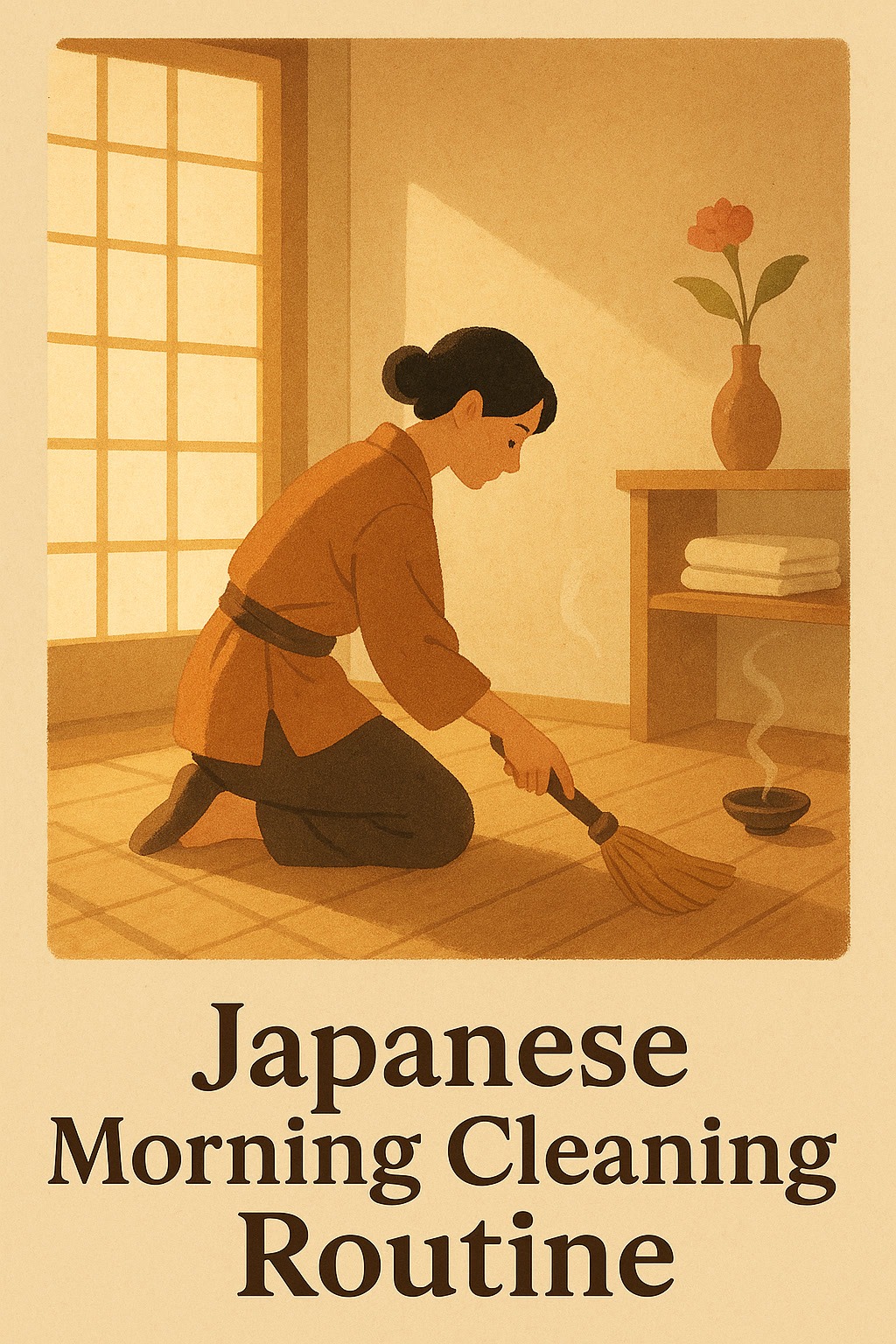
Keeping a home serene, simple, and clutter-free doesn’t always come naturally. But in Japan, there’s a quiet wisdom woven into daily life that helps homes feel calm and intentional — even in the smallest of spaces.
If you’ve ever wondered how Japanese homes manage to feel so peaceful and organized, here are five gentle yet powerful rules they often follow.
These practices aren’t just about tidiness — they’re about creating a space that feels like a deep exhale 🌿
🍵 1. Everything Has a Home
Japanese homes rarely have piles of random stuff lying around.
Why? Because every item has a designated spot. From chopsticks to slippers, things are returned to their “home” after use.
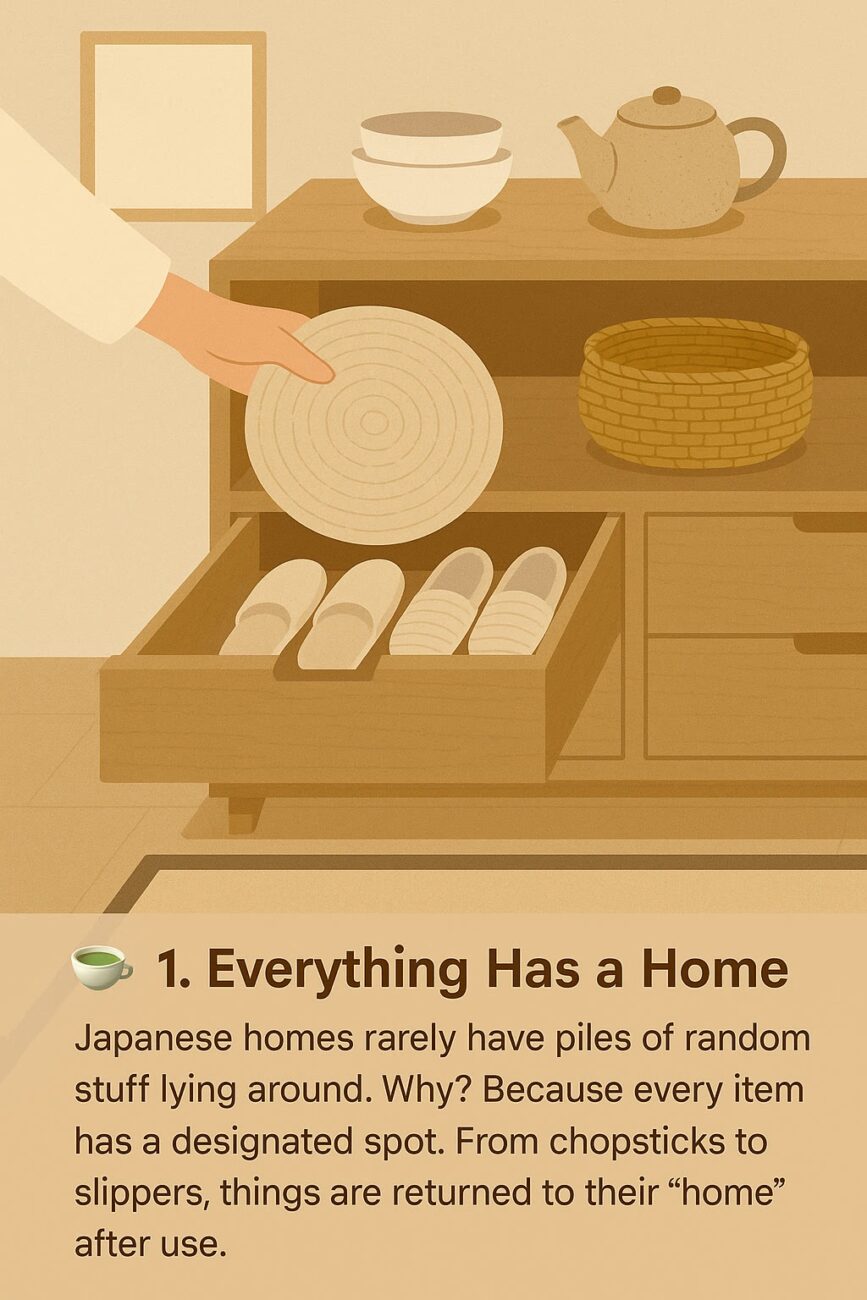
Try this: Assign a resting place to the things you use daily. A basket for mail. A tray for your keys. It’s like giving your objects a sense of belonging.
📦 2. Embrace Negative Space
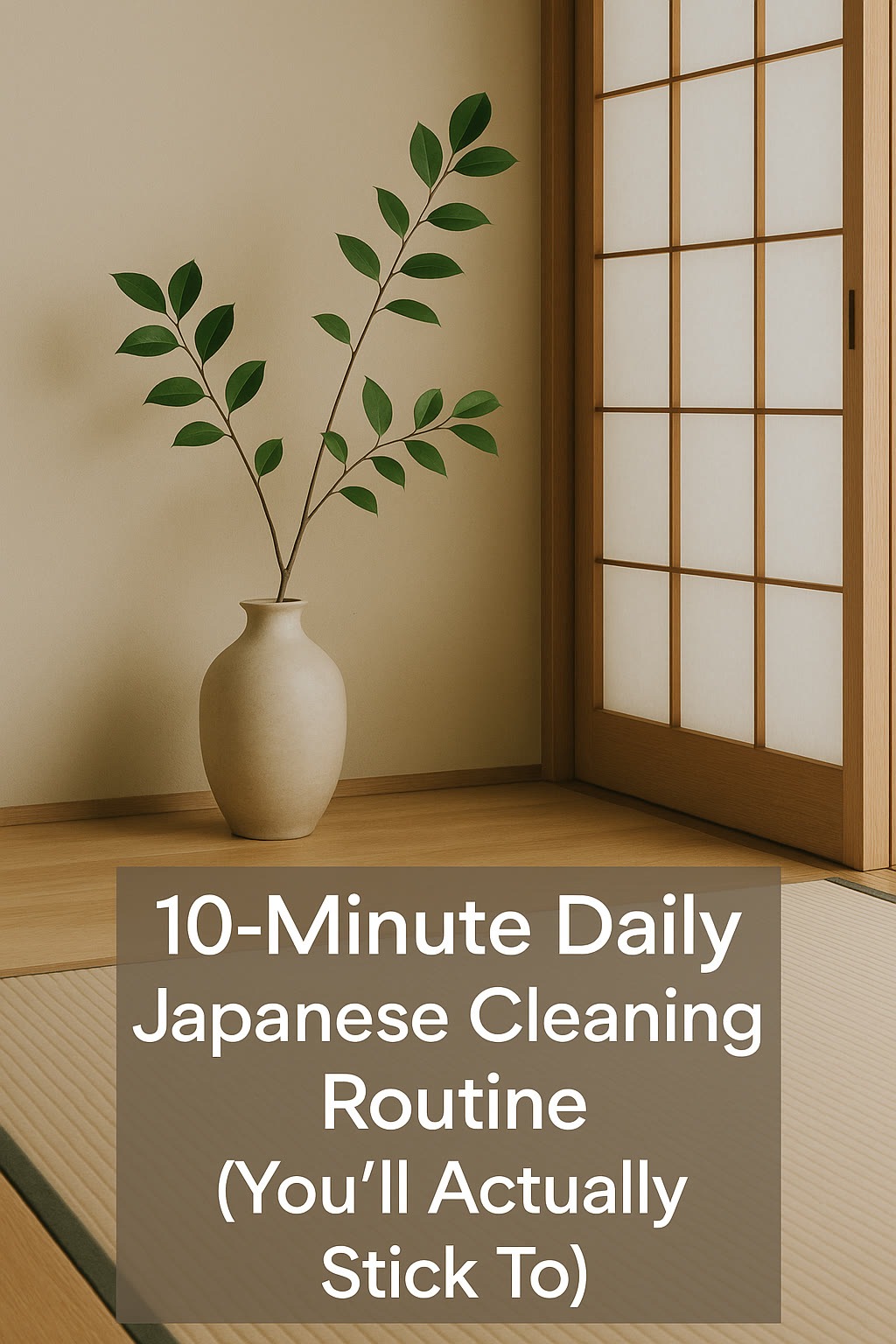
Instead of filling every surface, Japanese interiors honor ma — the space between things.
Open shelves might hold just one or two items. Corners are left intentionally empty. This creates a visual pause and a feeling of calm.
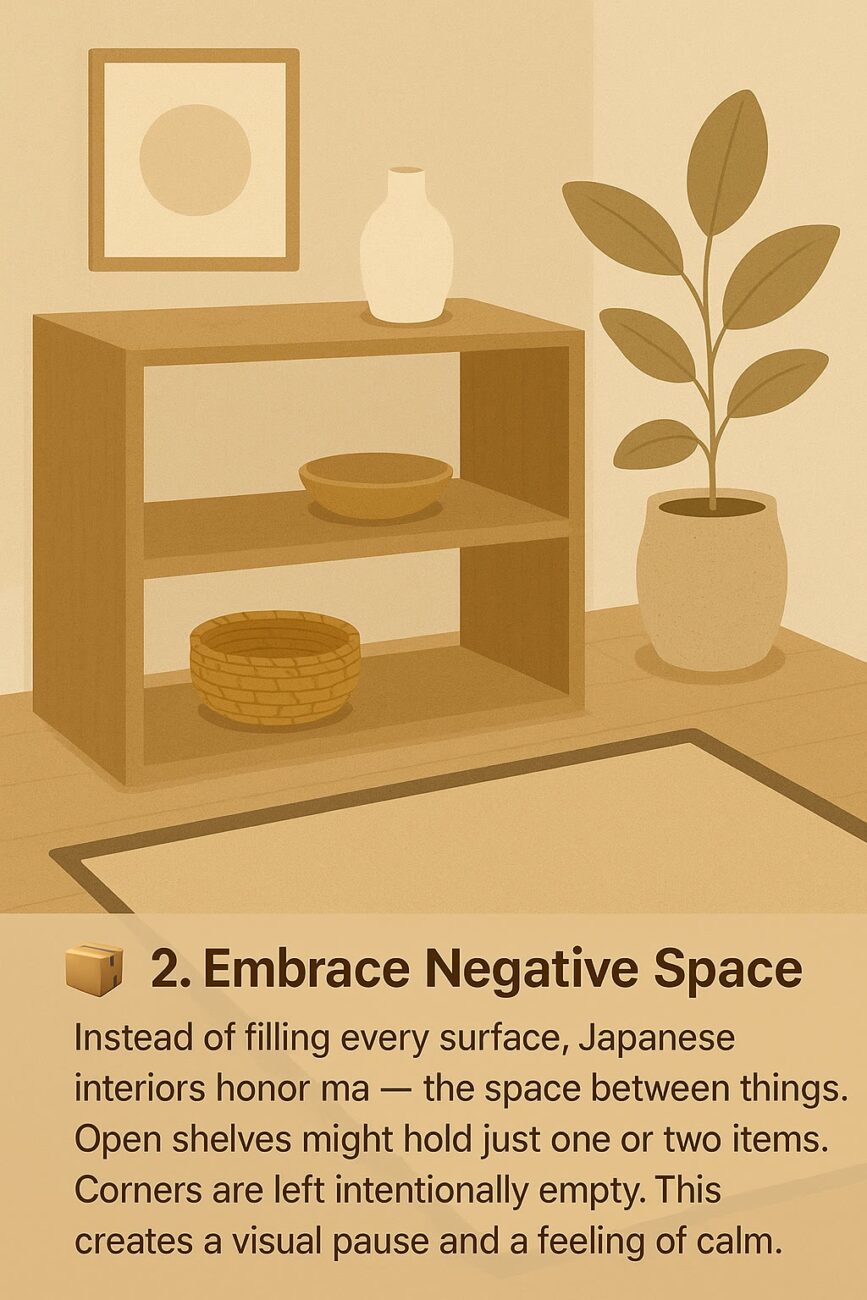
Mindset shift: Empty doesn’t mean unfinished. It means space to breathe.
🧹 3. Clean as a Daily Ritual
Cleaning isn’t treated as a chore — it’s a form of care. Many people in Japan tidy up little by little each day.
A quick sweep in the morning. Folding laundry with intention. Wiping down the sink after use.
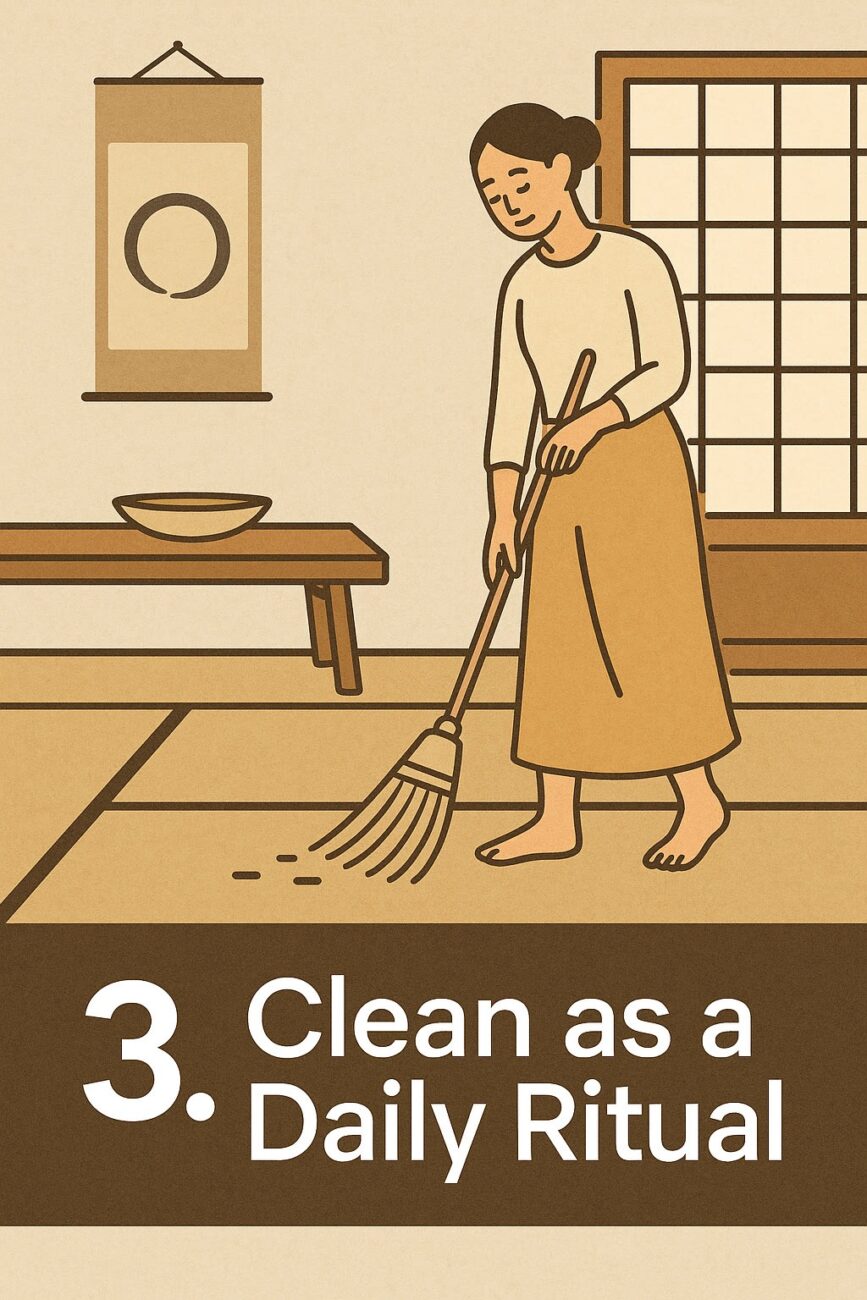
Think of it as: A quiet moment of connection between you and your space.
🎎 4. Less Furniture, More Flow
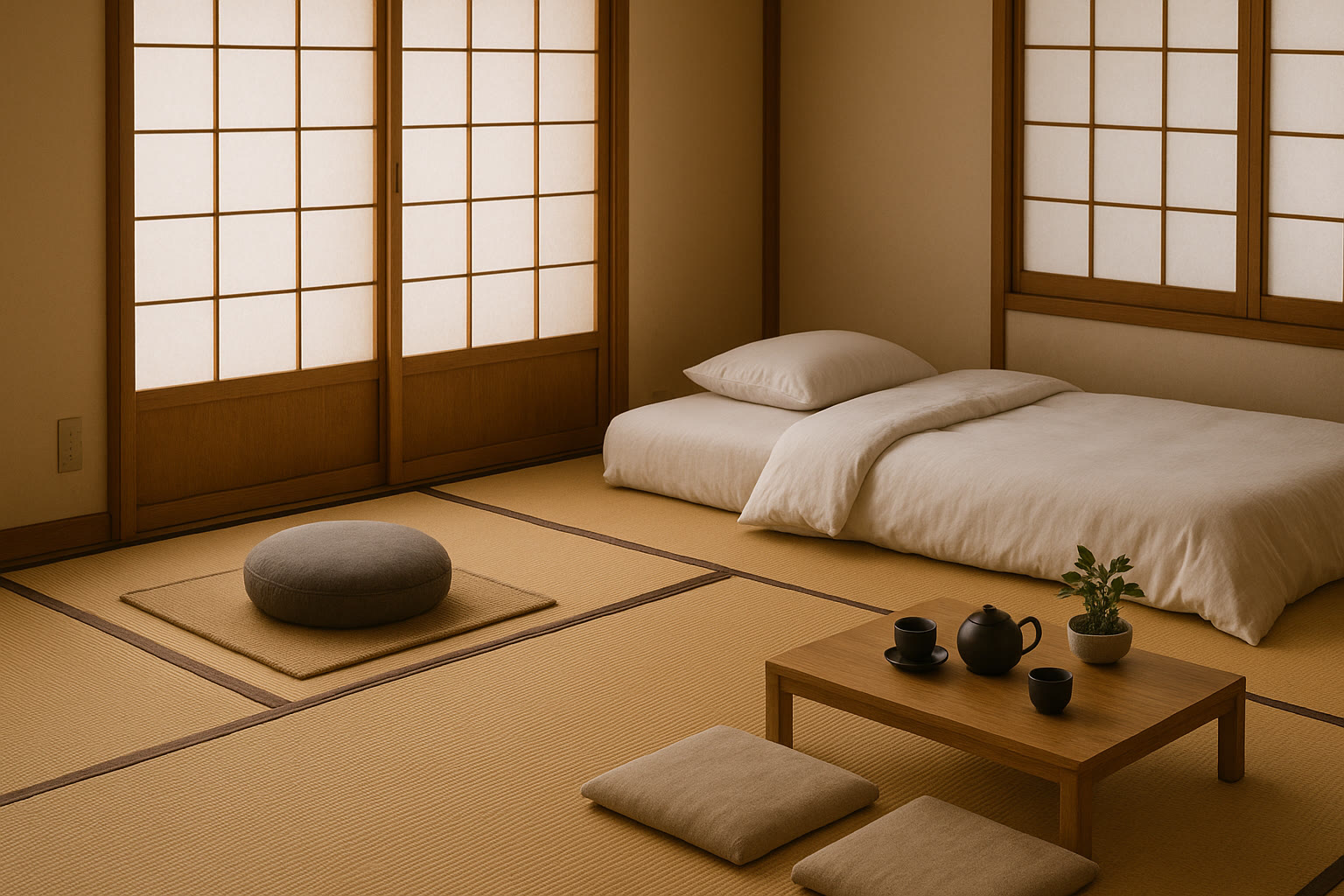
Japanese homes often feature low, multifunctional furniture that doesn’t clutter the room.
Tatami mats, sliding doors, futons that fold away. Everything supports fluid movement and openness.
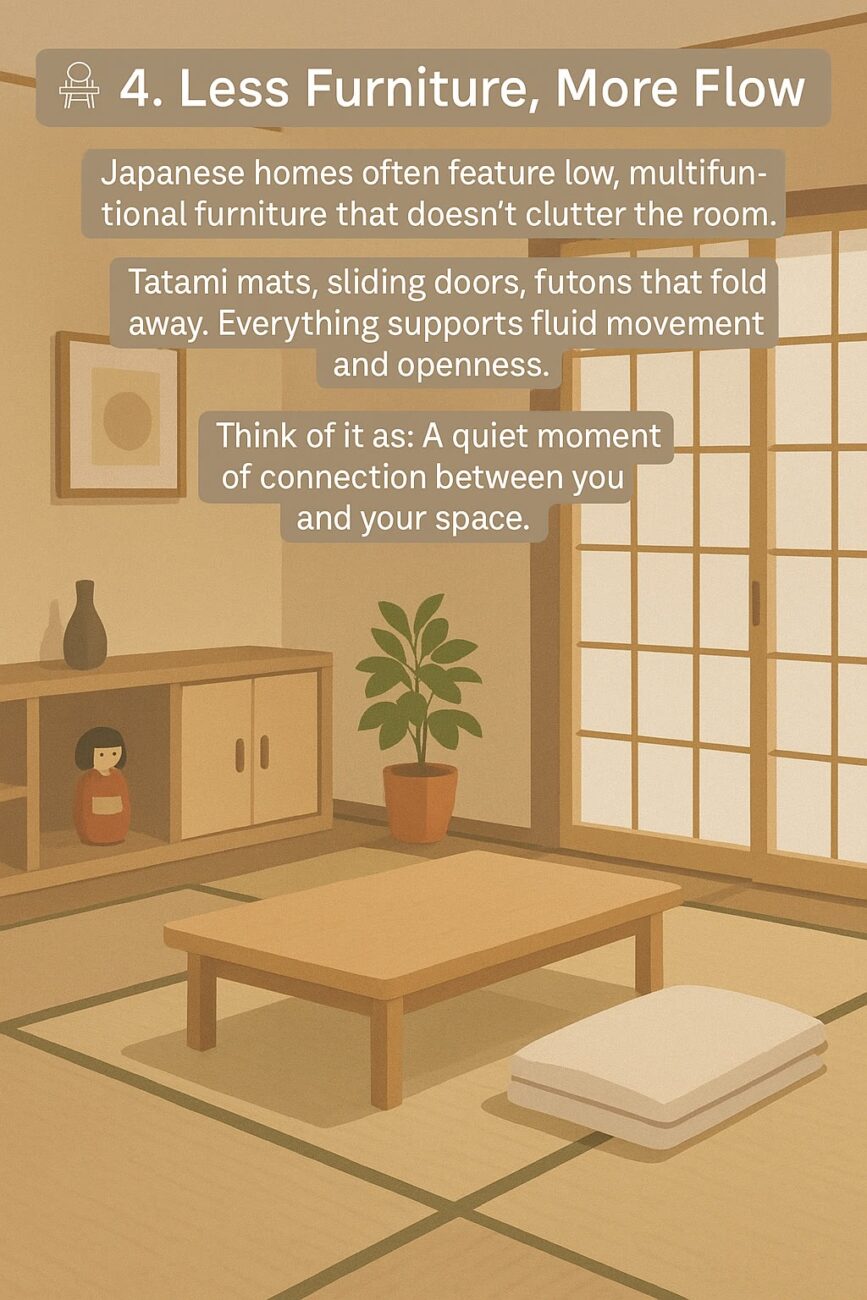
Takeaway: Let your furniture serve your life — not the other way around.
🧺 5. Seasonal Rotation
Rather than keeping everything out all the time, many Japanese families rotate items with the seasons.
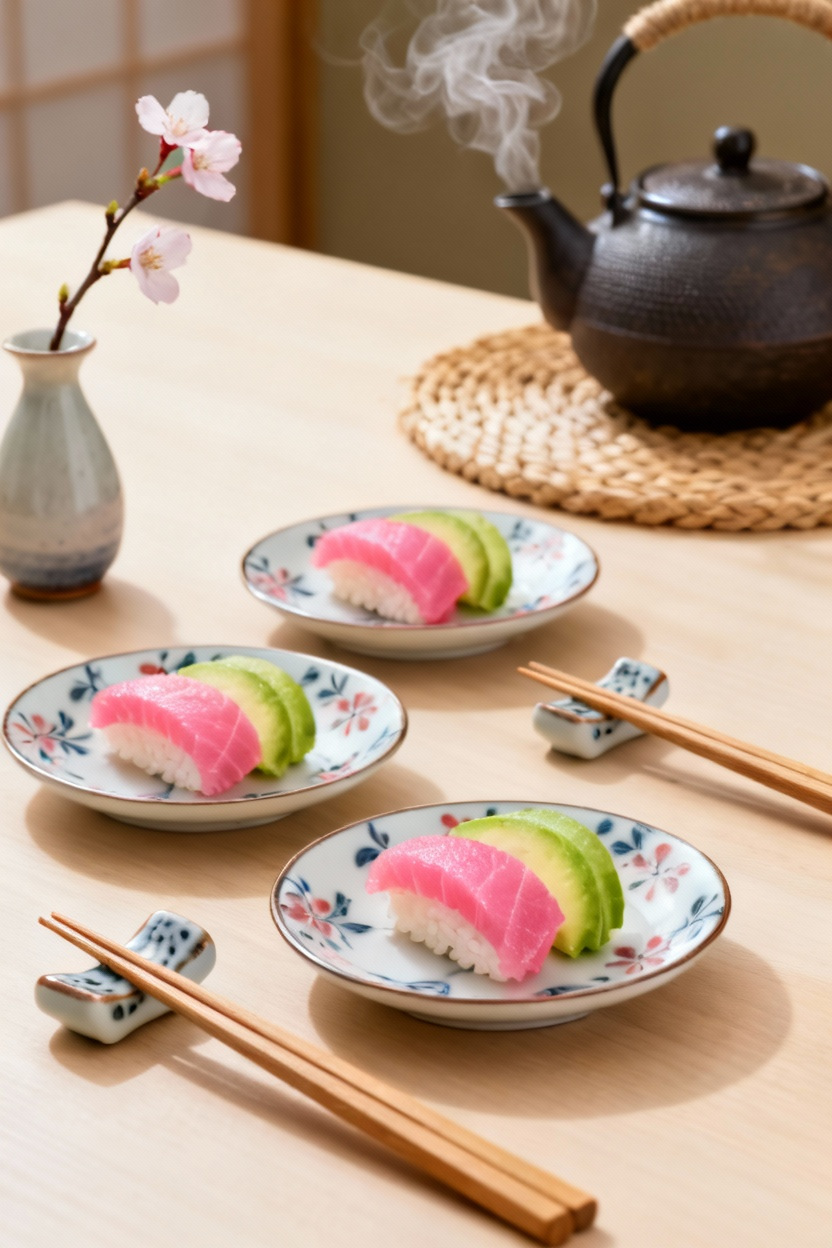
Lighter bedding in summer. Warm textiles and tea sets in winter. It keeps the home feeling fresh and intentional.
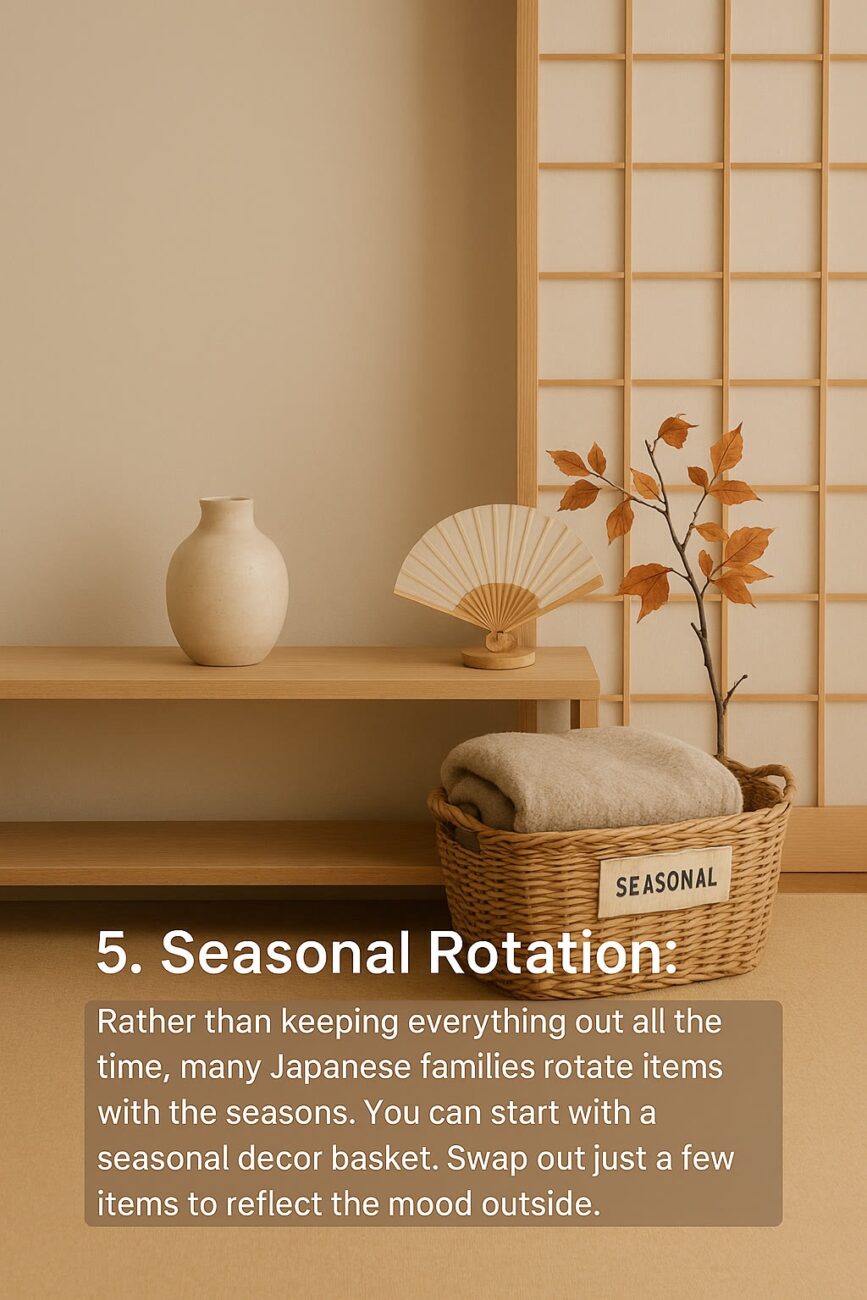
You can start with: A seasonal decor basket. Swap out just a few items to reflect the mood outside.
🌸 A Gentle Reminder
You don’t need to live in Japan to bring this peace into your home.
Start small. One drawer. One corner. One slow, thoughtful change at a time.
The goal isn’t perfection — it’s presence.