Finding authentic Filipino food outside the Philippines can be a challenge, but Tokyo offers a variety of excellent options. From savory chicken adobo to delicious halo-halo, these restaurants bring the vibrant flavors of the Philippines to Japan.

If you’re in Tokyo and craving Filipino cuisine, you don’t have to look far. In this article, I’ll guide you through the five best spots in Tokyo where you can enjoy a taste of home or explore new culinary delights. Whether you’re a long-time fan of Filipino food or a curious newcomer, these restaurants are sure to impress.
1) Mother’s Kusina ni Ate Glo Philippine Restaurant
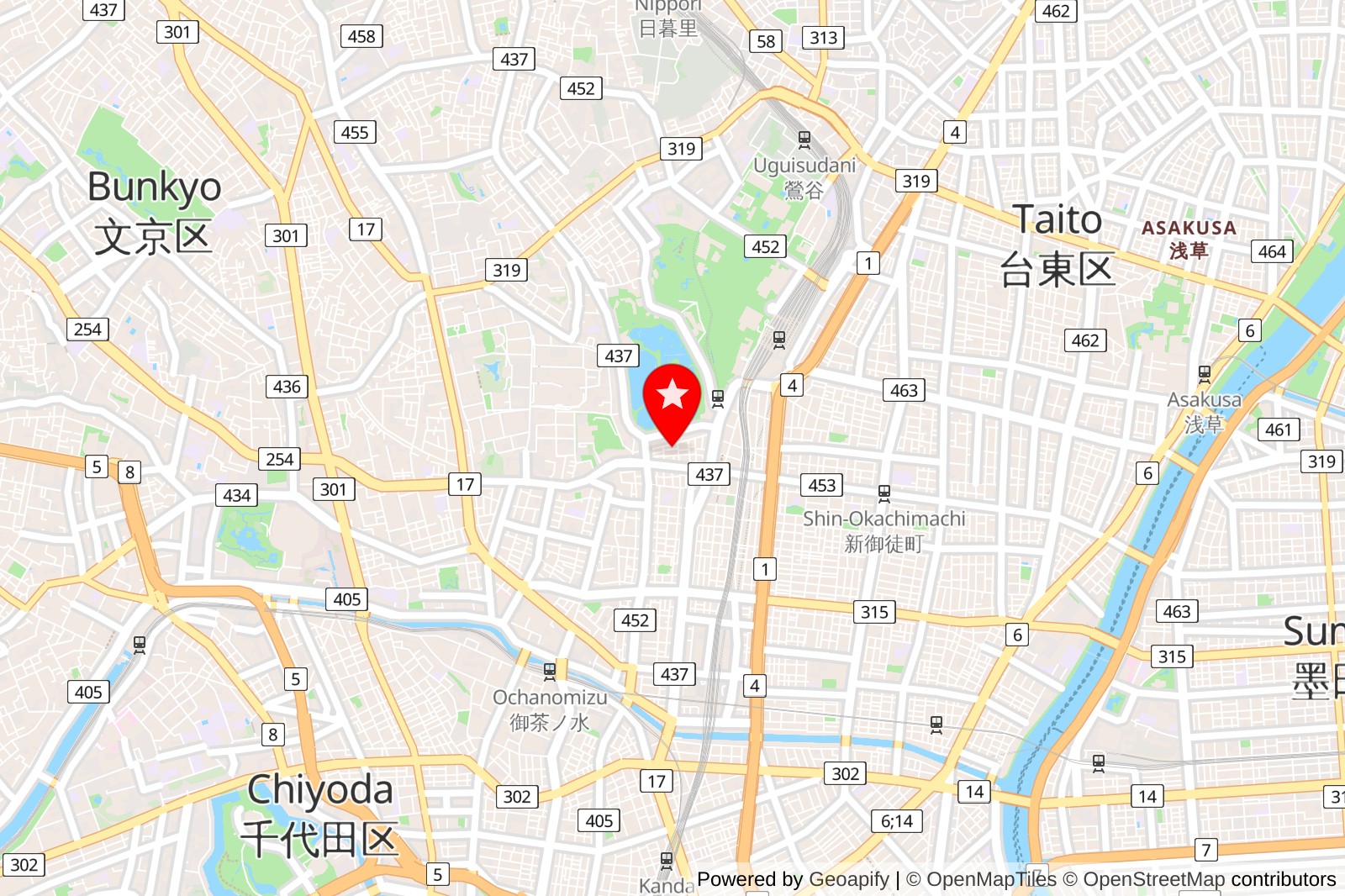
I recently visited Mother’s Kusina ni Ate Glo Philippine Restaurant in Tokyo. The moment I stepped in, I felt a warm and homey atmosphere. The restaurant is cozy and the decor had a familiar touch, reminiscent of a typical Filipino home.
The staff were welcoming and friendly. They made sure I had everything I needed. The menu offered a range of traditional Filipino dishes. I decided to try their adobo and halo-halo, both of which were delicious and tasted authentic.
The restaurant was conveniently located in Bunkyo City. It’s easy to find, especially with its bright and inviting entrance. The well-reviewed spot is a must-visit for anyone craving hearty and flavorful Filipino cuisine.
Rating: 4.6 (37 reviews)
Location: Yushima, 3 Chome−44−2 YK BLDG 1F, Tokyo, Japan
2) Ipoipo
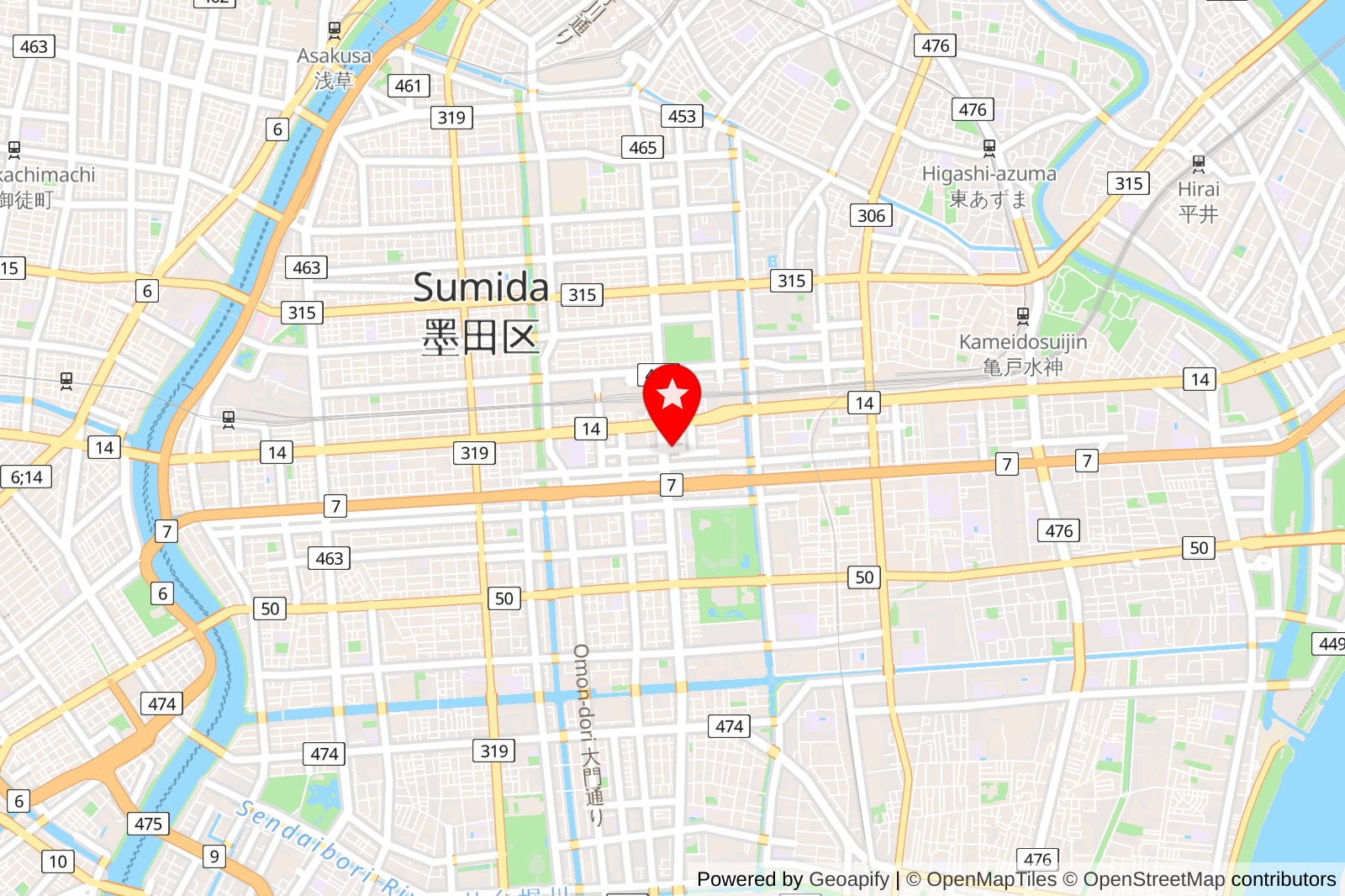
When I visited Ipoipo, I was struck by its cozy atmosphere. The seating area is small but comfortable, perfect for a relaxed meal. The decor reflects a blend of Filipino culture and modern Tokyo vibes.
The menu offers a variety of classic Filipino dishes. I tried the adobo, which was rich and savory. The lumpia were crispy and paired well with the sweet and sour dipping sauce. Portions are generous, ensuring you get good value for your money.
Service at Ipoipo is attentive. The staff are friendly and take the time to explain the dishes if you’re not familiar with Filipino cuisine. It’s easy to see why this place is popular among both locals and tourists.
Rating: 4 (67 reviews)
Location: 1F 4 Chome-19-12 Kotobashi, Sumida City, Tokyo 130-0022, Japan
Latitude: 35.694657899999996
Longitude: 139.8156349
3) Nene’s Kitchen
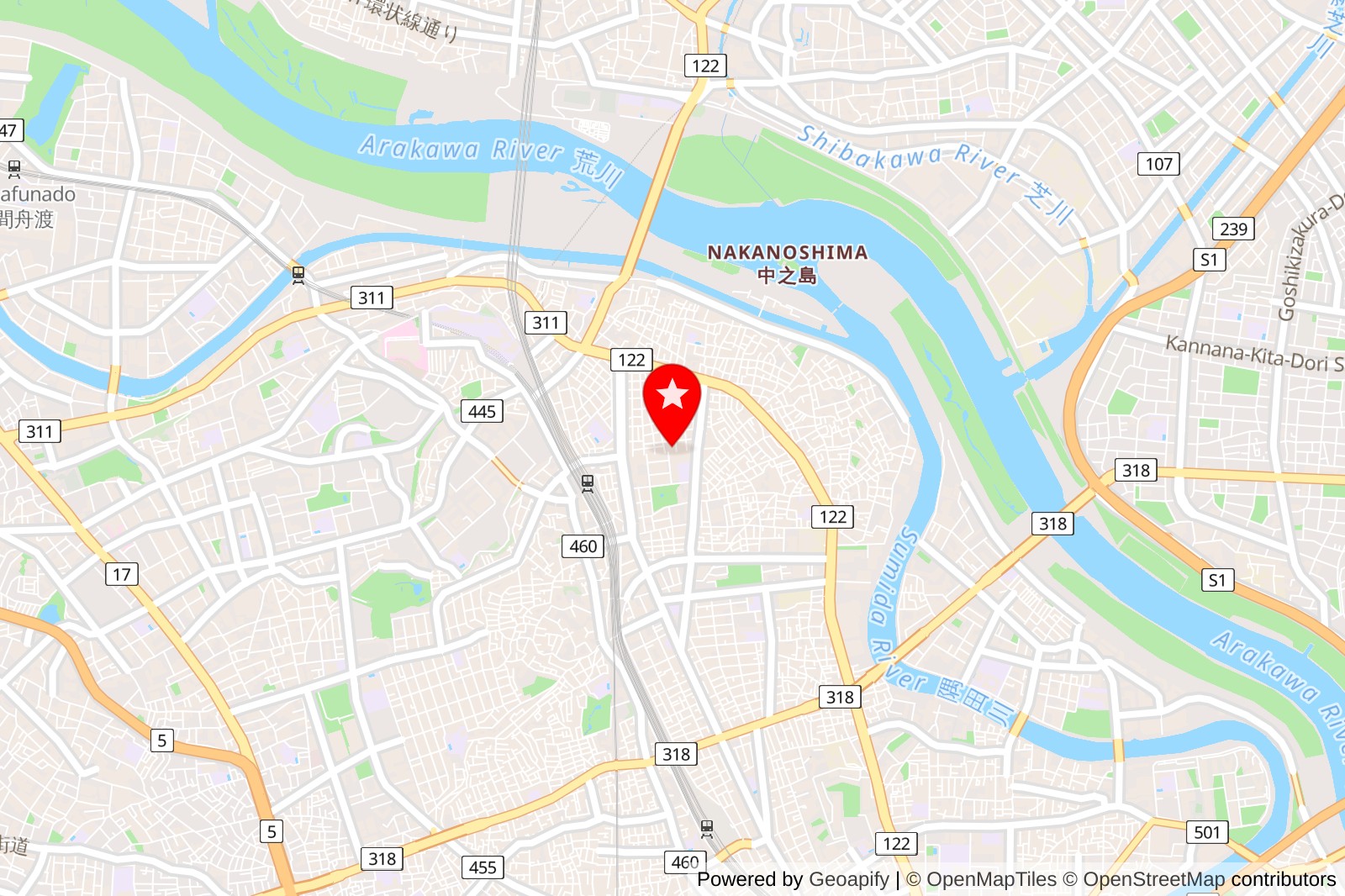
Nene’s Kitchen is a cozy spot in Tokyo where I recently had the pleasure of dining. They offer a variety of Filipino dishes that feel like a home-cooked meal. The warm atmosphere and friendly staff made my visit enjoyable and memorable.
The food at Nene’s Kitchen is exceptional. I tried their adobo, which was flavorful and tender. The pancit was also a hit, full of fresh vegetables and tasty noodles. Each dish seemed to be carefully prepared with authentic ingredients.
The restaurant is located on the second floor of a building in Kita City. It’s a bit of a hidden gem, but well worth the visit. The decor is simple and welcoming, making it a great spot for a casual meal with friends or family.
Rating: 4.1 (118 reviews)
Location: TKC Bldg 2F 2 Chome-9-1 Akabane, Kita City, Tokyo 115-0045, Japan
4) ATE
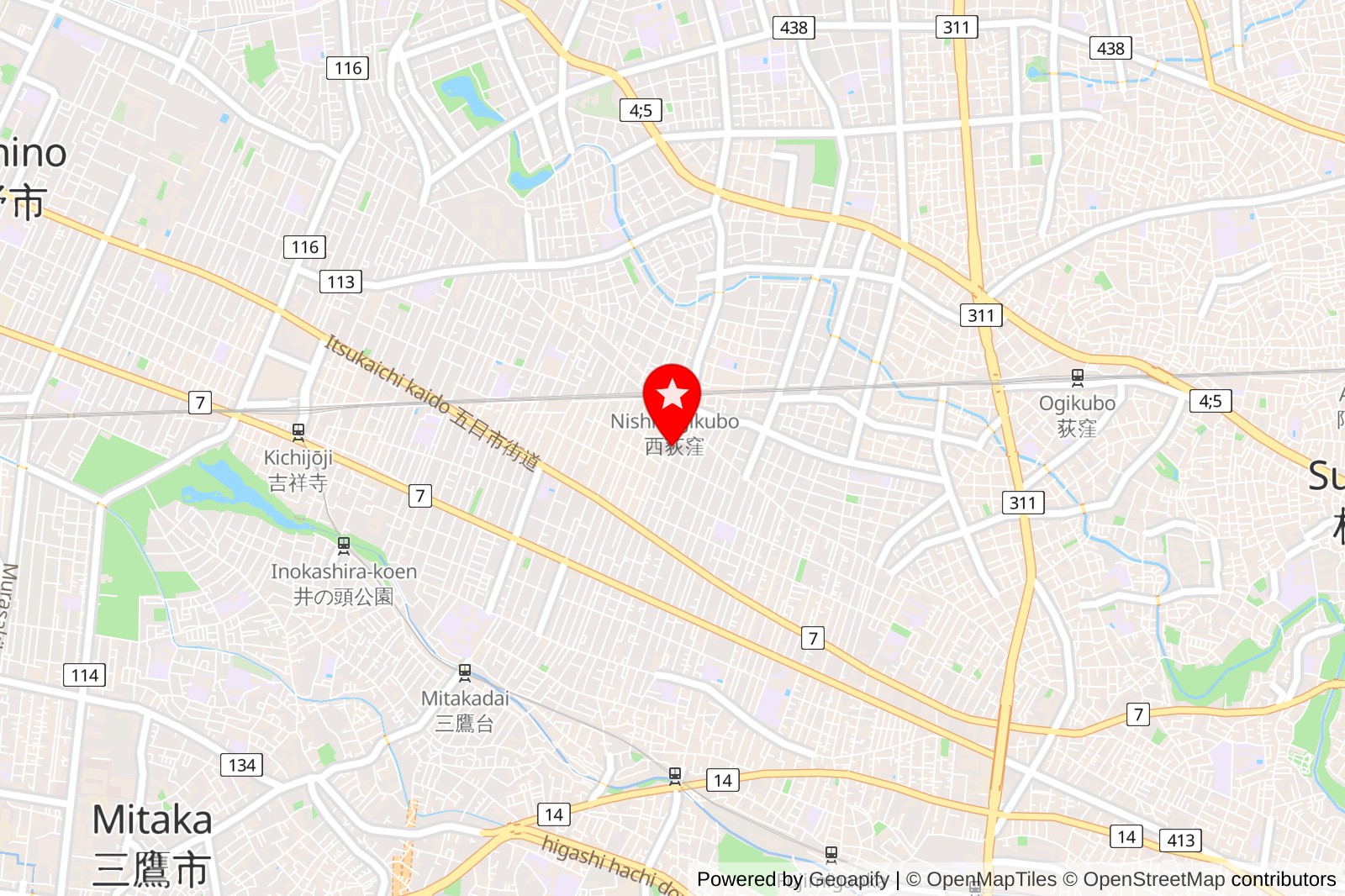
ATE in Suginami City is a gem. The first thing that struck me was the cozy and friendly atmosphere. As soon as I walked in, I felt welcomed. The decor is simple but warm, making it a comfortable place to enjoy a meal.
The food here is fantastic. I tried their traditional Filipino dishes and was impressed by the flavors. The ingredients tasted fresh, and the presentation was appealing. Their adobo and lumpia were highlights for me. Each bite was a delight.
Service at ATE is top-notch. The staff is attentive and ready to help with any questions. They made sure my dining experience was pleasant from start to finish. The informal chat with the staff added a personal touch to my visit.
Rating: 4.1 (71 reviews)
Location: 2 Chome-22-11 Nishiogiminami, Suginami City, Tokyo 167-0053, Japan
Website: Visit Website
5) Lutong Pinoy Philippine Restaurant

I recently visited Lutong Pinoy Philippine Restaurant in Tokyo, and it was a delightful experience. The atmosphere reminded me of the comforting vibes of traditional Filipino homes. The decor was simple, yet cozy, and made me feel right at home.
The food was authentic and flavorful. I enjoyed classic dishes like adobo and sinigang. Each dish was prepared with care, bringing out rich, delicious flavors that satisfied my craving for Filipino cuisine. The portions were generous and gave great value for the money.
The service was friendly and attentive. The staff made sure I had everything I needed and were happy to answer any questions. The restaurant’s location was convenient and easy to find, making it a perfect spot for anyone looking to enjoy a taste of the Philippines in Tokyo.
Rating: 4.4 (11 reviews)
Location: 1 Chome-29-4 Nishikoiwa, Edogawa City, Tokyo 133-0057, Japan
Website: Visit Website
Understanding Filipino Cuisine
Filipino cuisine is rich and diverse, influenced by various cultures such as Malay, Spanish, and American. It often combines sweet, sour, and salty flavors, creating a unique taste experience.
Key Ingredients and Their Importance
Among the essential ingredients in Filipino cooking, vinegar plays a significant role. It acts as a preservative and adds a distinct tangy flavor to dishes like adobo. Another core ingredient is soy sauce, which provides a salty and savory element.
Garlic and onions are often used as base flavors, creating depth and aroma. Coconut milk, known locally as “gata,” enriches many dishes with its creamy texture and delicate sweetness, especially in recipes like Bicol Express.
Fish sauce or “patis” introduces a salty, pungent taste that enhances the overall flavor. Meanwhile, banana ketchup, a unique Filipino condiment, offers a sweet and tangy twist. Calamansi, a tiny citrus fruit, brings a refreshing zesty flavor, often used in marinades and dipping sauces.
Common Filipino Dishes
One of the most famous dishes is Adobo, a savory stew that blends vinegar, soy sauce, garlic, and meat, usually chicken or pork. Sinigang is a sour soup made with tamarind, vegetables, and meat or seafood, offering a refreshing contrast of flavors.
Lechon, a whole roasted pig, is a festivity highlight, known for its crispy skin and tender meat. Kare-Kare is a peanut-based stew made with oxtail and vegetables, served with shrimp paste for an added umami kick.
Lumpia, the Filipino version of spring rolls, can be filled with either savory meat and vegetables or sweet ingredients for dessert. Lastly, Halo-Halo, a famous dessert, combines shaved ice, sweetened fruits, leche flan, and purple yam, creating a colorful and flavorful treat.
Navigating Tokyo’s Filipino Food Scene
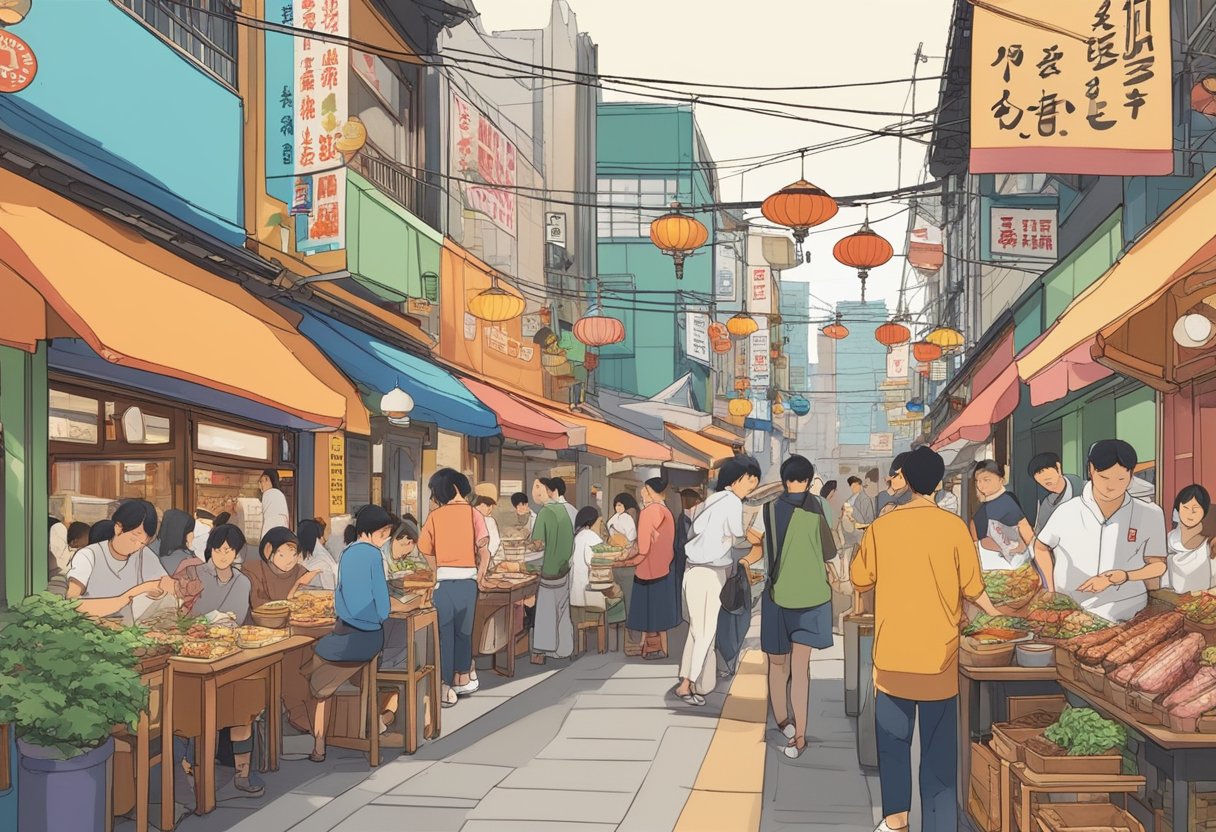
Filipino cuisine in Tokyo blends traditional flavors with local twists, making it unique and interesting. I will guide you through cultural influences, adaptations, and proper dining etiquette to enhance your experience.
Cultural Influences and Adaptations
In Tokyo, Filipino food showcases a rich mix of flavors, influenced by Spanish, American, and Asian cuisines. Popular dishes like Adobo and Sinigang often retain their original taste. However, chefs may add Japanese ingredients like miso or soy sauce for a local twist.
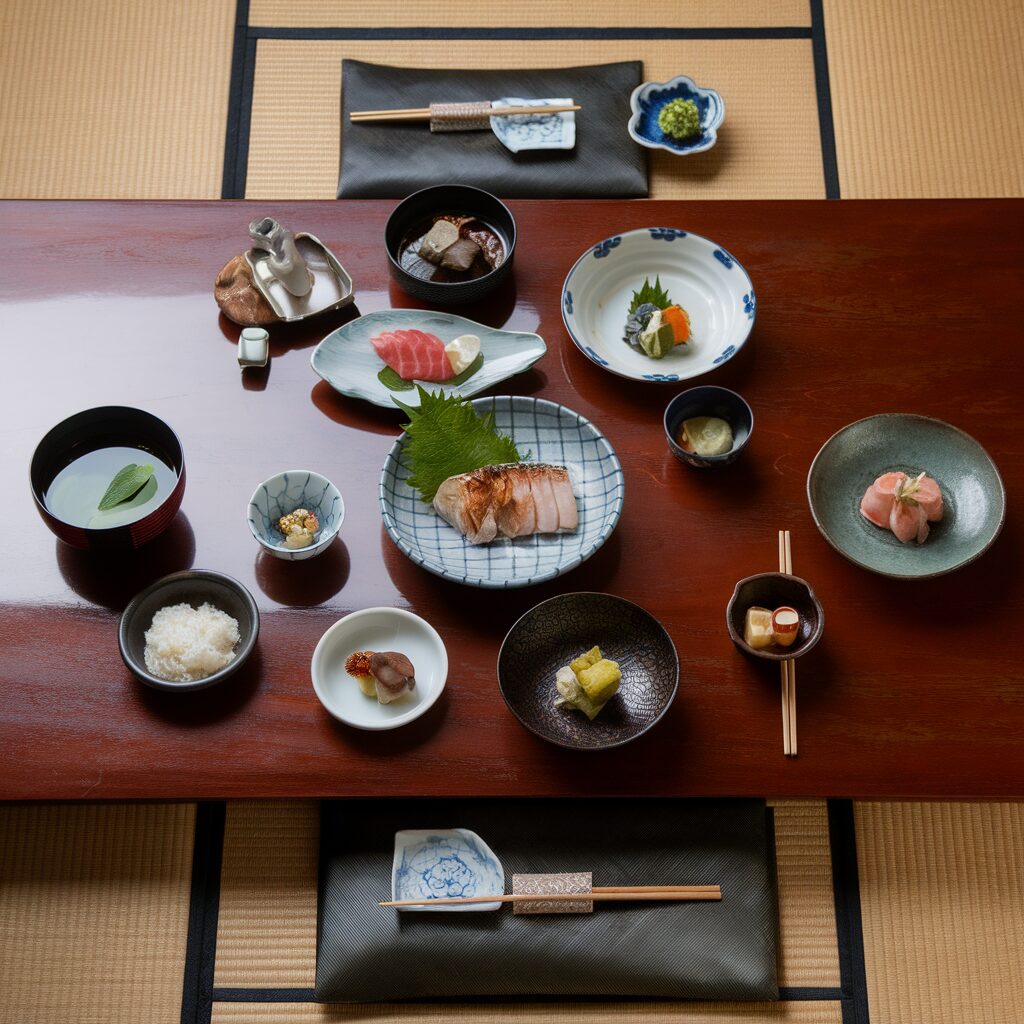
Restaurants such as New Nanay’s in Roppongi offer traditional dishes with innovative combinations. At Kamay Kitchen, Filipino meals are served teishoku-style, pairing dishes with rice, miso soup, and pickles. This blend appeals to Tokyoites and helps Filipinos feel at home.
It’s fascinating to see how Filipino restaurants in Tokyo maintain authenticity while embracing local tastes.
Dining Etiquette at Filipino Restaurants
When dining at Filipino restaurants in Tokyo, it’s essential to follow a few etiquette rules. First, it’s polite to greet staff with “こんにちは” (Konnichiwa). Serving styles vary, but sharing dishes is common in Filipino culture.
Always use serving spoons for shared plates. If dining at places like KAPETAYO TOKYO, expect to switch between chopsticks and utensils. Rice is a staple, so savoring it respectfully is appreciated.
Tokyo’s Filipino eateries may also observe Japanese customs, like removing shoes before entering private rooms. Observing these practices enriches your dining experience and respects both cultures.
Tips for Selecting a Filipino Restaurant
When choosing a Filipino restaurant in Tokyo, it’s important to focus on the authenticity of the cuisine and the feedback from other customers.
Cuisine Authenticity
Authenticity is key when selecting a Filipino restaurant. I always look for menus that offer traditional Filipino dishes like Adobo, Sinigang, and Lechon. It’s a good sign when the restaurant uses ingredients imported from the Philippines or sources similar local produce.
I also pay attention to how dishes are prepared. Filipino cuisine is known for its unique cooking methods, such as slow roasting and stewing. The presence of sides like halea or pandesal further suggests that the restaurant stays true to Filipino culinary traditions.
Customer Reviews and Ratings
I often turn to customer reviews and ratings to gauge a restaurant’s reputation. Platforms like Tripadvisor and Yelp are valuable sources for authentic feedback. I look for consistent praise in reviews, particularly about food quality and service.
Paying attention to the number of reviews is also crucial as it provides a broader perspective. Reviews that mention specific dishes and their presentation can also be very insightful. Reviews help me consider aspects like ambiance, pricing, and customer service before making a decision.
Frequently Asked Questions
Tokyo offers a variety of Filipino restaurants that provide authentic and flavorful dining experiences. Here are answers to some common questions.
What are some highly rated Filipino restaurants in Tokyo?
Several Filipino restaurants in Tokyo have received high ratings. Some of the best include Mother’s Kusina ni Ate Glo Philippine Restaurant, Ipoipo, Nene’s Kitchen, ATE, and Lutong Pinoy Philippine Restaurant. These spots are praised for their delicious food and great service.
Where can I find an authentic Filipino dining experience in Tokyo?
For an authentic Filipino dining experience, try Mother’s Kusina ni Ate Glo Philippine Restaurant or Nene’s Kitchen. Both places are known for serving traditional Filipino dishes that closely mirror the flavors you would find in the Philippines.
Are there any Filipino restaurants in Tokyo that serve traditional dishes?
Yes, Lutong Pinoy Philippine Restaurant and Ipoipo are known for their traditional Filipino dishes. They offer a wide range of classic meals like adobo, sinigang, and lechon, providing a true taste of home for Filipino food lovers.
Can you recommend Filipino eateries within the Shibuya area?
In the Shibuya area, Nene’s Kitchen is a fantastic choice. It’s easily accessible and offers a cozy atmosphere along with tasty Filipino cuisine. Many locals and tourists frequent this spot for its delicious meals.
What are the Filipino dining options available near Shinjuku?
Near Shinjuku, ATE is a prominent choice. It’s well-regarded for its innovative approach to Filipino food while maintaining traditional flavors. This restaurant brings a modern touch to classic dishes, making it a must-visit in the area.