There’s something timeless about traditional Japanese clothing — layers of flowing fabric, quiet elegance, and a deep sense of culture stitched into every detail.
Whether you’re planning a trip to Japan, love historical fashion, or are simply curious about cultural beauty, here are 10 traditional Japanese outfits every woman should know 🌸
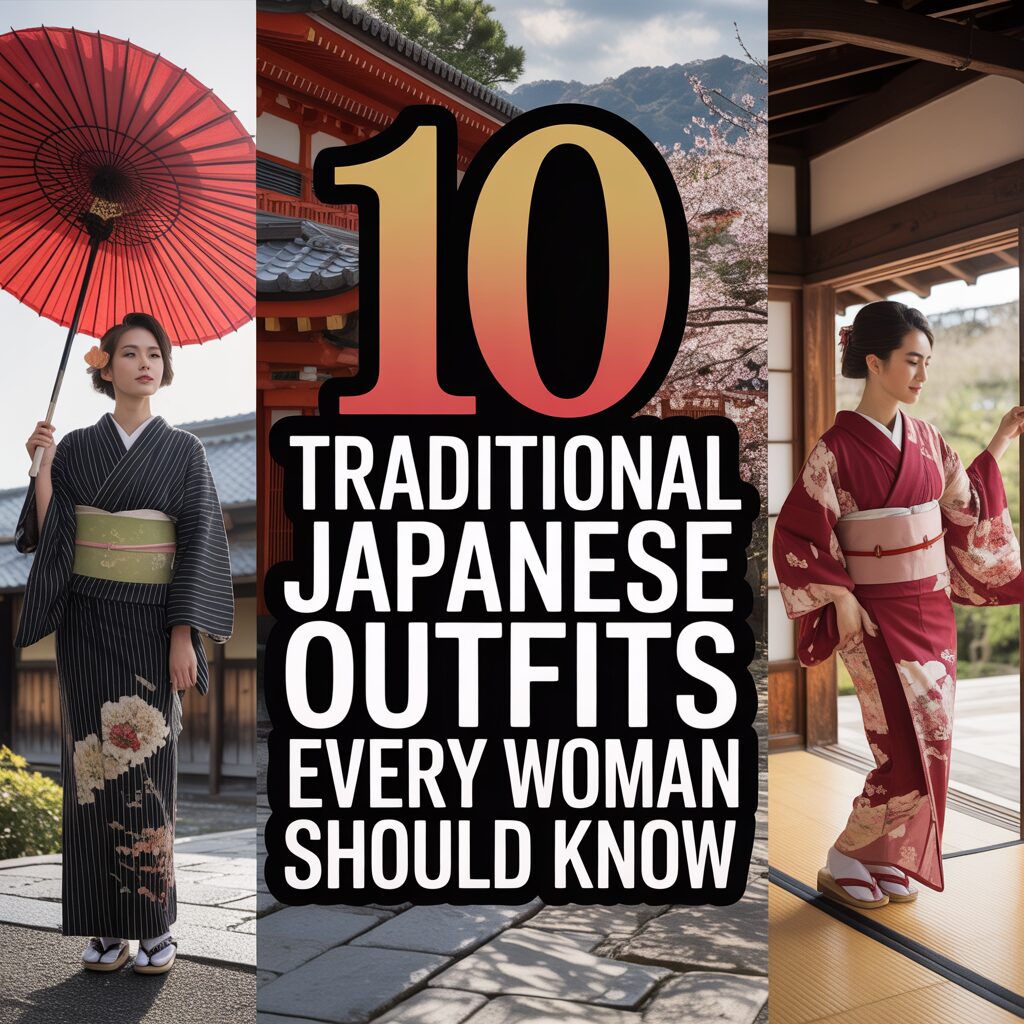
These garments tell stories — of seasons, ceremonies, and centuries past.
Let’s wander through them gently, one by one.
1. 👘 Kimono — The Icon of Elegance
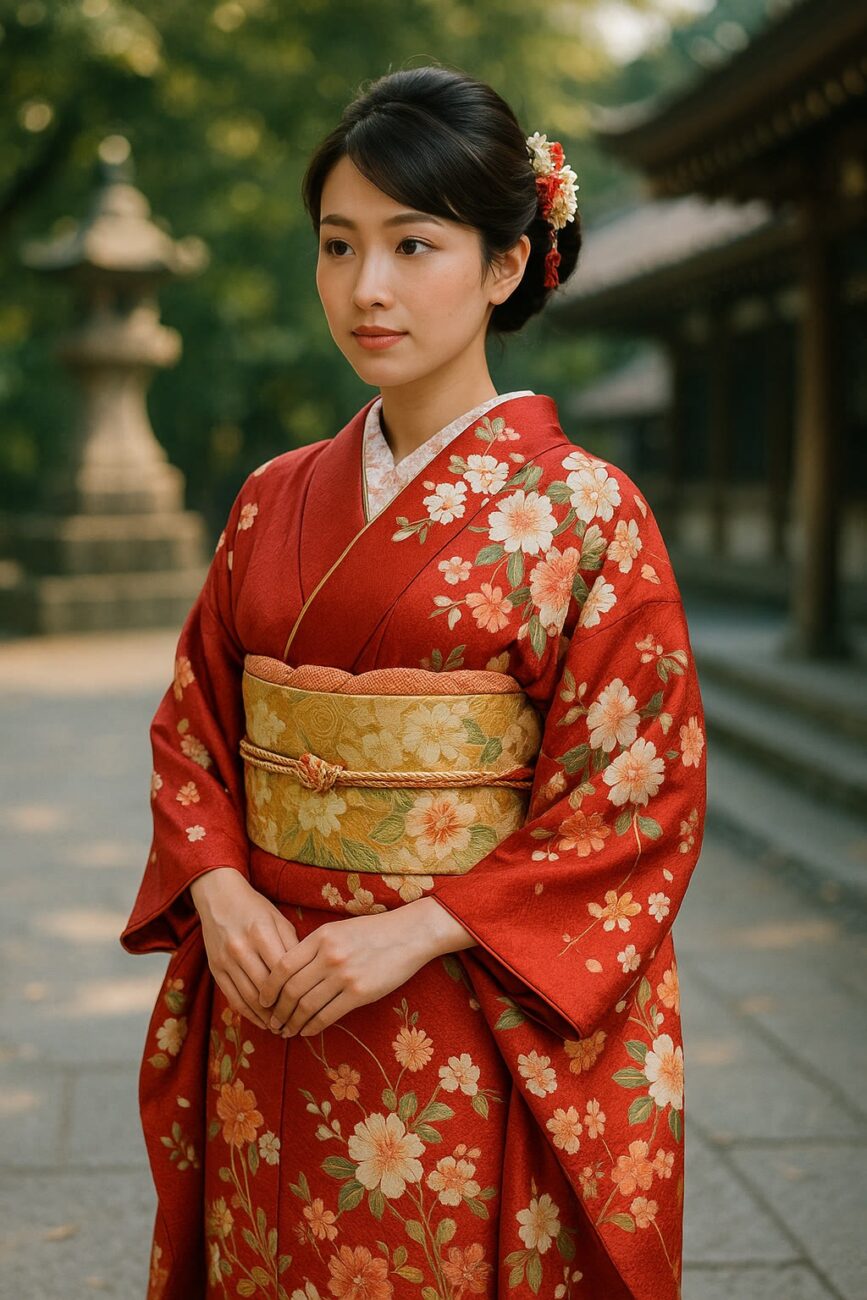
The kimono is the most recognized traditional Japanese garment.
Worn for centuries, it’s made from silk and wrapped in a T-shape, often secured with an ornate obi belt.
👘 Beautiful Floral Kimono Cardigan

Lightweight, flowy, and perfect for layering — this floral kimono cardigan is a modern twist on a timeless Japanese look. Ideal for spring and summer days.
Shop on AmazonKimonos are still worn today for weddings, tea ceremonies, and festivals.
Each color, pattern, and accessory can symbolize a season, emotion, or status — like a language woven into fabric.
2. 💐 Yukata — The Summer Sister
🌸 Elegant Yukata-Style Loungewear
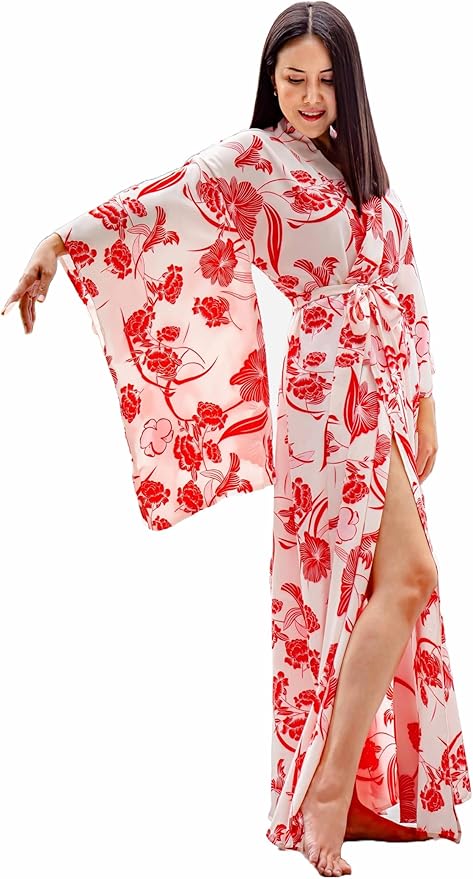
Inspired by the traditional yukata, this soft and lightweight kimono loungewear set is perfect for relaxing at home — or bringing a touch of Japan to your morning routine.
View on AmazonLighter and more casual than a kimono, the yukata is often made of cotton and worn during warm summer festivals.
You’ll see them paired with geta sandals and simple obi belts.
They’re especially popular during hanabi (fireworks) season — imagine night skies lit up as softly patterned yukata flutter through lantern-lit streets.
3. 🎎 Furisode — For the Blossoming Years
🖤 Furisode-Inspired Modern Haori

A gorgeous haori with Furisode-inspired flair — featuring flowing sleeves and a bold design that blends tradition with street-style edge. A true statement piece.
See on Amazon“Furisode” means “swinging sleeves” — and these long, flowing sleeves are worn by unmarried women in formal settings.
Usually made from vibrant silk, furisode are worn at coming-of-age ceremonies or formal parties.
They symbolize youth, elegance, and new beginnings.
4. 🍵 Tomesode — The Married Woman’s Kimono
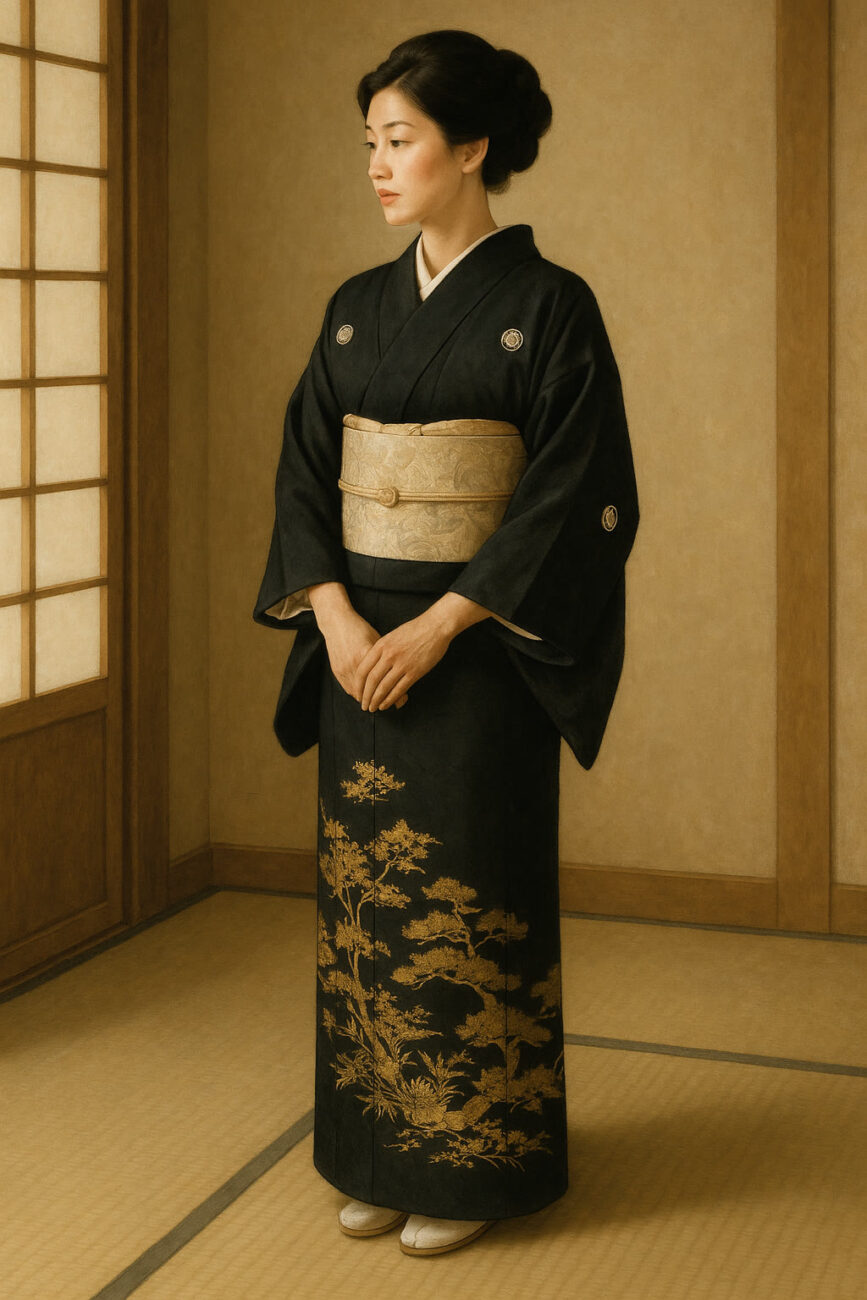
Tomesode are formal kimonos with shorter sleeves and subtle patterns below the waist.
They’re worn by married women, especially at weddings or family celebrations.
Black tomesode (kuro-tomesode) are often worn by the mothers of the bride or groom, decorated with elegant crests and gold patterns.
5. 🌸 Houmongi — The Versatile Visitor
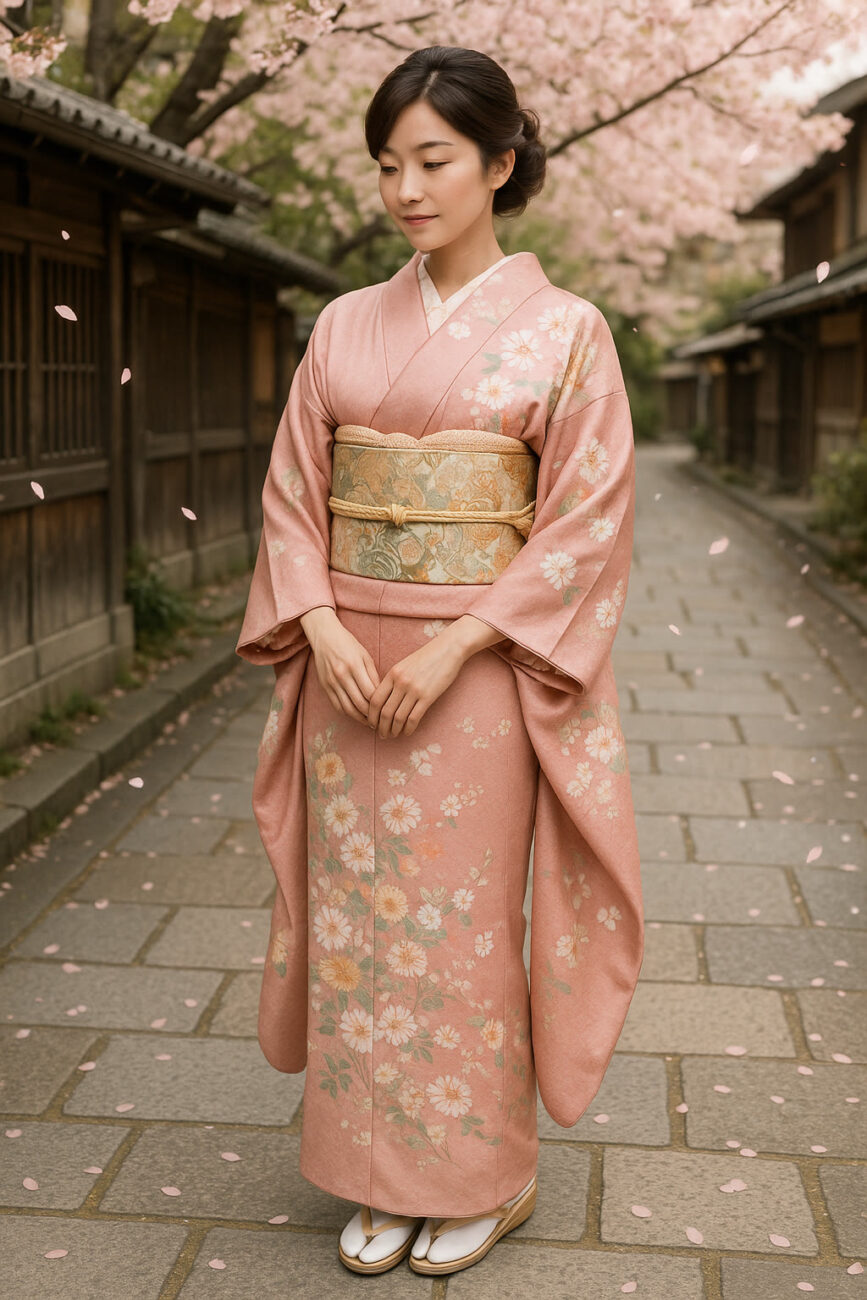
Houmongi means “visiting wear.”
With patterns flowing across seams, it’s worn by married or unmarried women to tea gatherings, parties, or semi-formal events.
It strikes a balance — refined, but not too grand — like a soft-spoken guest who brings beauty wherever she goes.
6. ⛩️ Mofuku — The Attire of Remembrance
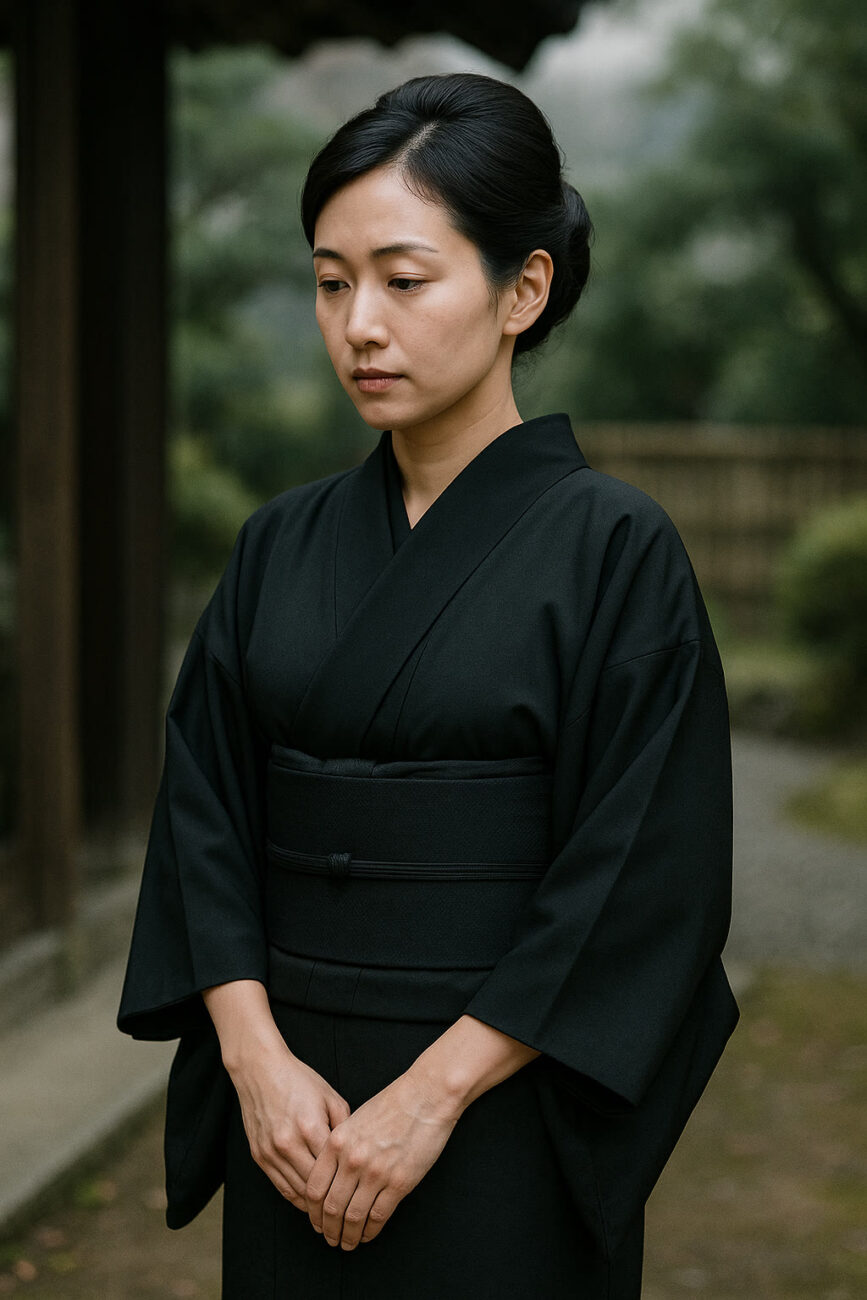
Mofuku is entirely black, worn during funerals or periods of mourning.
It reflects Japanese respect for formality and simplicity, even in grief.
Traditionally worn with black obi and accessories, it’s a reminder of how clothing can express emotion without words.
7. 🏮 Hikizuri — The Performer’s Grace
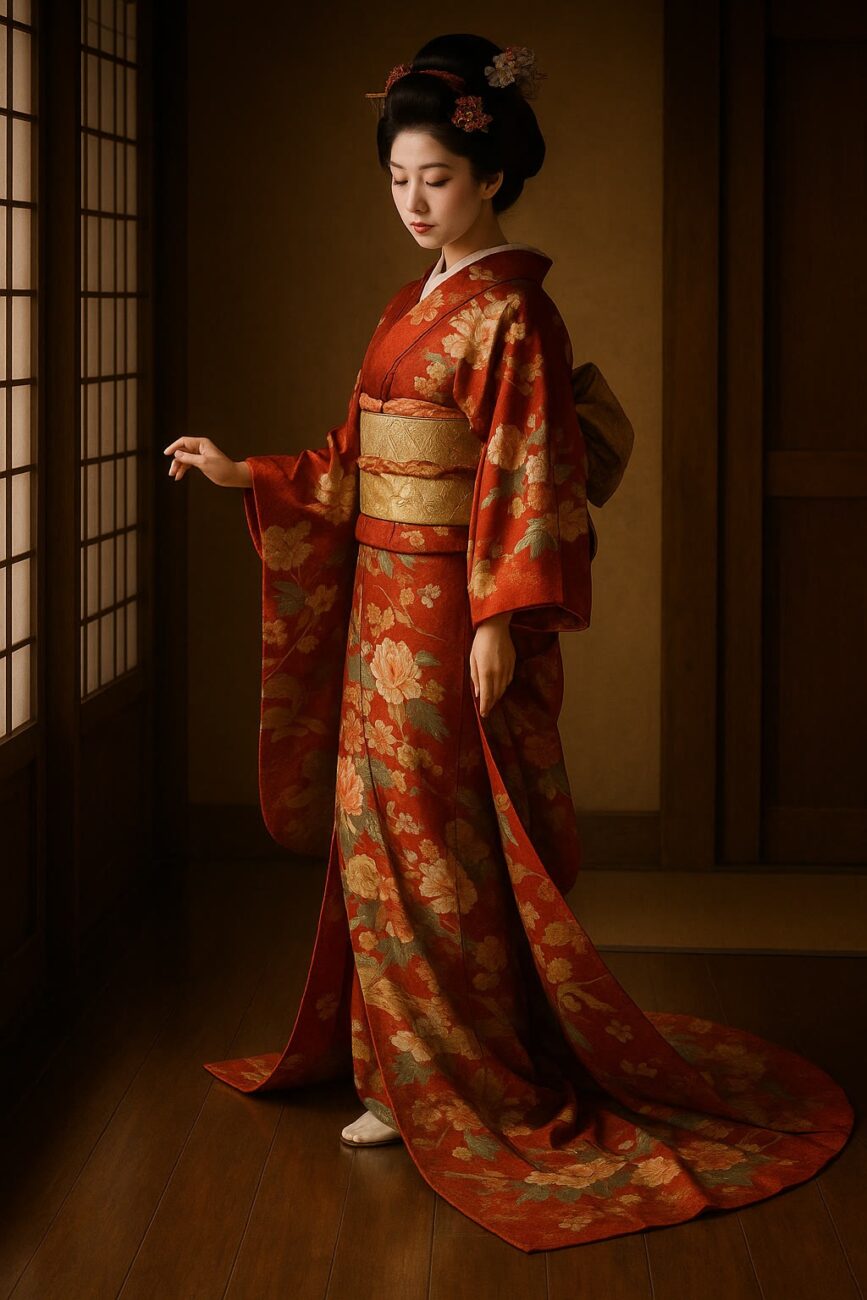
This floor-sweeping kimono is worn by geisha, dancers, or stage performers.
It trails behind elegantly as the wearer walks, often seen in classical Japanese dance.
Hikizuri are richly decorated and layered, emphasizing grace and drama in every movement.
8. 🎐 Shiromuku — The Pure White Bride
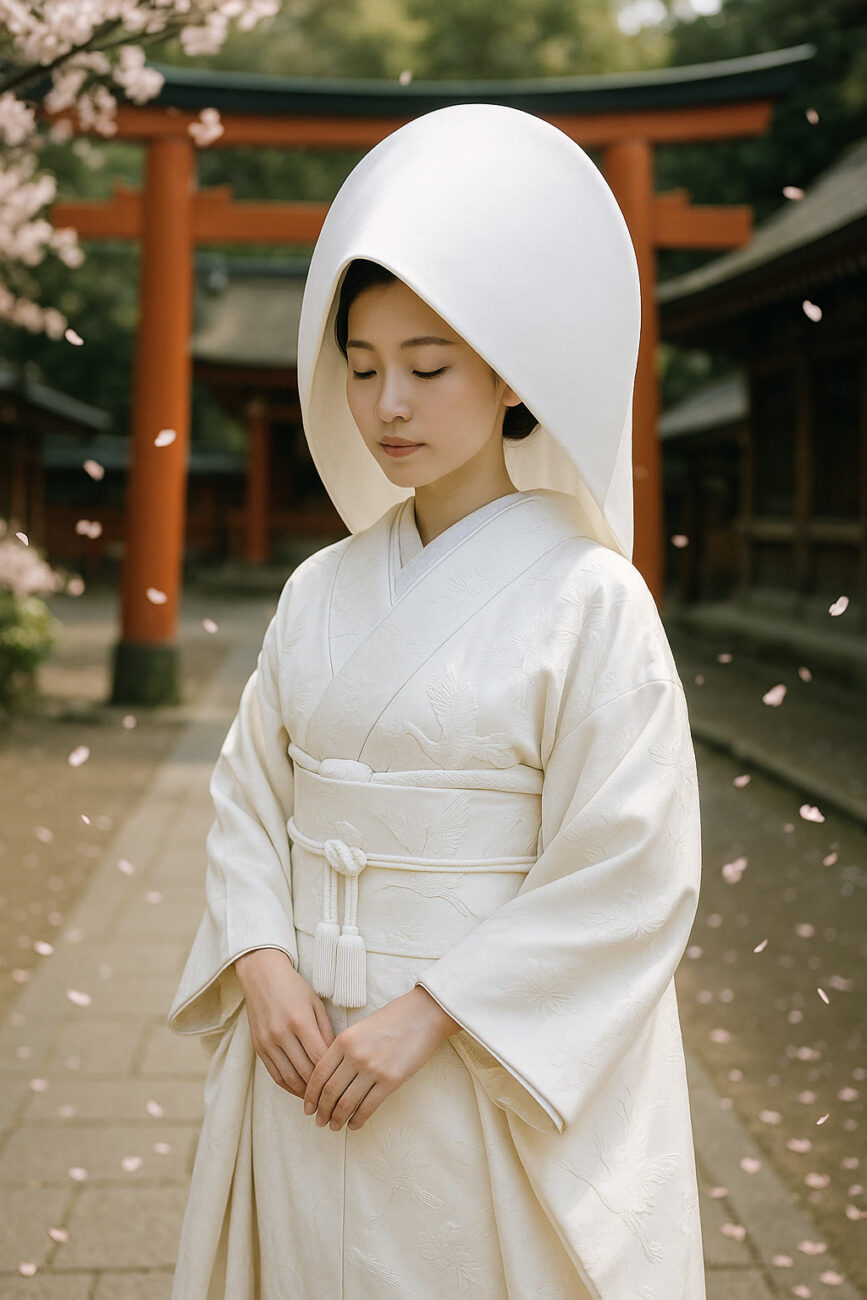
Used in Shinto weddings, the shiromuku is a white bridal kimono that symbolizes purity and sacredness.
It’s usually worn with a white hood (wataboshi) or structured headpiece (tsunokakushi), and every detail holds meaning.
The bride becomes like a blank canvas — ready to harmonize with her new family and life.
9. 🌿 Tsunokakushi — The Bridal Headpiece
Though not a full outfit, the tsunokakushi deserves mention.
It’s a white hood worn by brides to symbolize the concealment of pride or selfishness — a poetic gesture of humility and harmony in marriage.
It’s as much about spirit as it is about style.
10. 🍁 Junihitoe — The 12-Layered Royal Ensemble
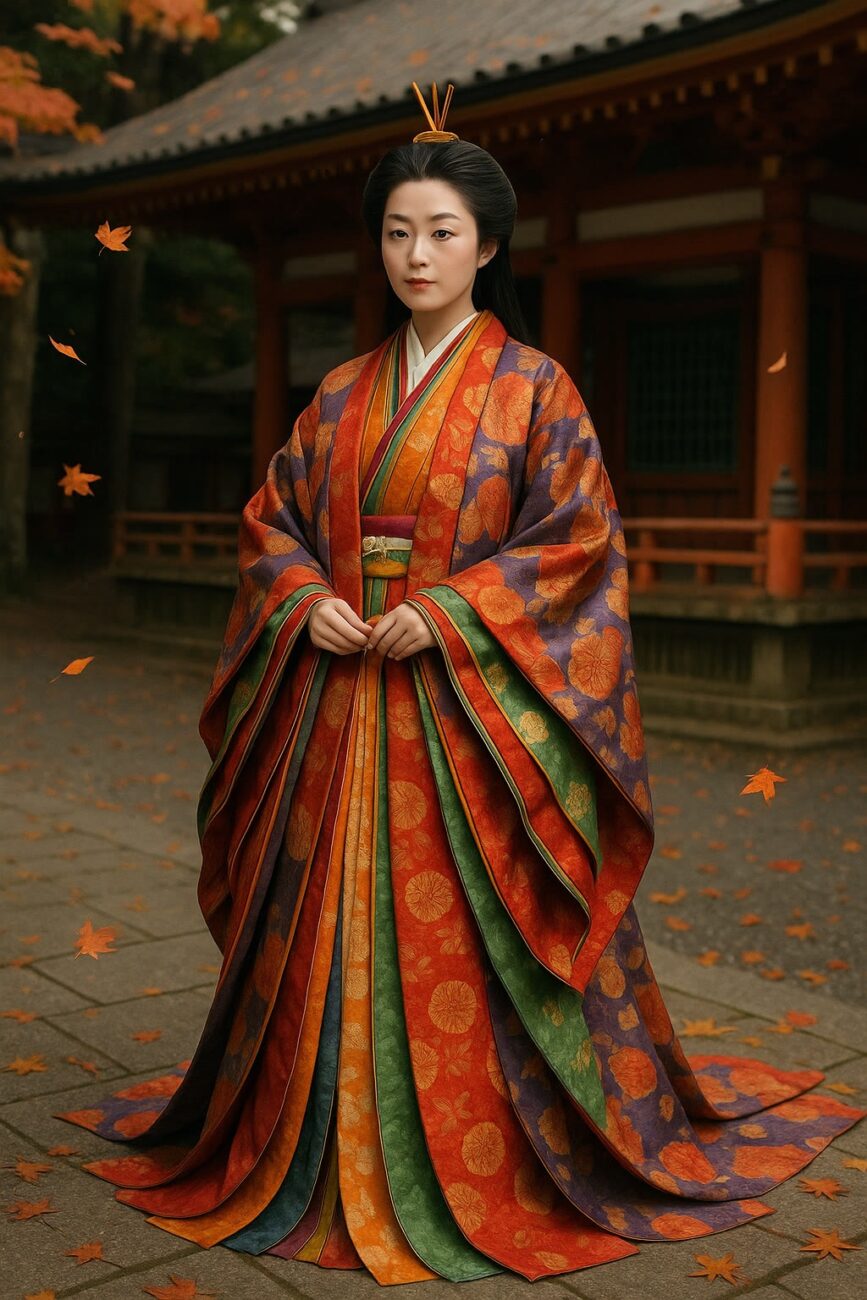
A rare and regal outfit once worn by imperial court ladies, the junihitoe means “twelve layers.”
This breathtaking ensemble features rich silks in carefully coordinated colors, revealing hints of each layer beneath.
It’s heavy, majestic, and now mainly seen in historical reenactments or imperial ceremonies — a dreamlike vision of Japan’s Heian era.
Traditional Japanese clothing isn’t just about beauty — it’s a reflection of values, seasons, and stories passed down for generations.
Each fold and thread has a purpose.
Whether you wear them or simply admire them, they offer a window into a world where fabric speaks louder than words.
Let them inspire your own sense of grace.