The Japanese enjoy one of the highest life expectancies in the world, and their traditional dietary patterns play a significant role in this longevity.
Beyond just what they eat, how they eat reflects a cultural philosophy that honors food as nourishment for both body and spirit.
Here are some Japanese eating habits worth adopting for better health and a more mindful relationship with food.
1. Hara Hachi Bu: Eating Until 80% Full
This Confucian-inspired teaching practiced in Okinawa encourages people to stop eating when they feel about 80% full rather than completely stuffed.
By giving your body time to register satiety (which typically takes about 20 minutes), you naturally consume fewer calories while still feeling satisfied.
Try putting down your utensils between bites and checking in with your hunger levels throughout the meal.
2. Small, Diverse Portions

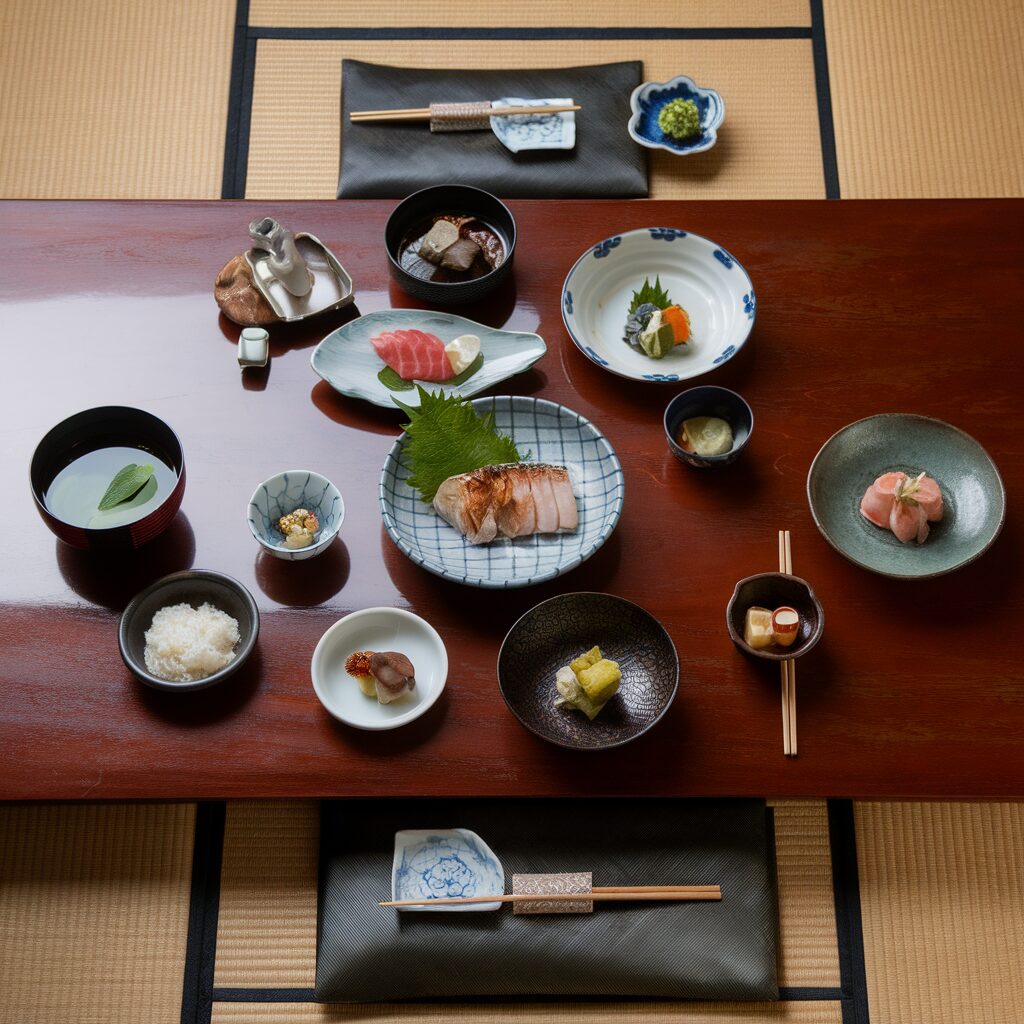
Traditional Japanese meals feature multiple small dishes rather than one large plate. This approach naturally increases the variety of nutrients in each meal while controlling portion sizes.
A typical meal might include a small bowl of rice, miso soup, pickled vegetables, a modest protein portion, and seasonal vegetables—each in its own dish to appreciate individually.
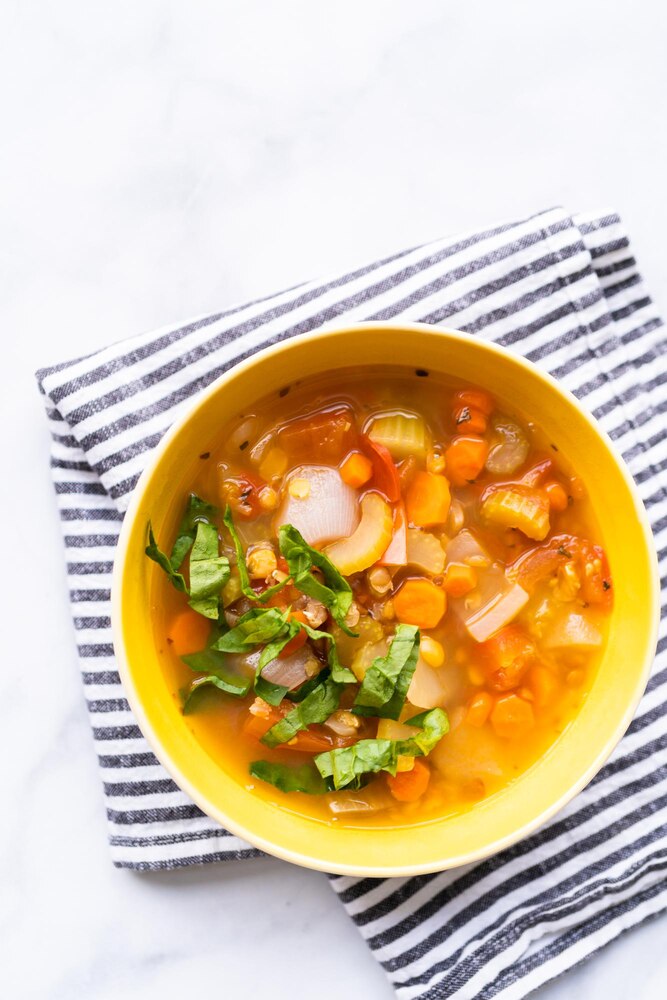
3. Starting Meals with Soup
Many Japanese meals begin with a bowl of soup (often miso), which provides hydration, helps with satiety, and prepares the digestive system for the coming meal.
Studies suggest starting meals with soup can reduce overall calorie intake while increasing vegetable consumption.
4. Mindful Eating Rituals
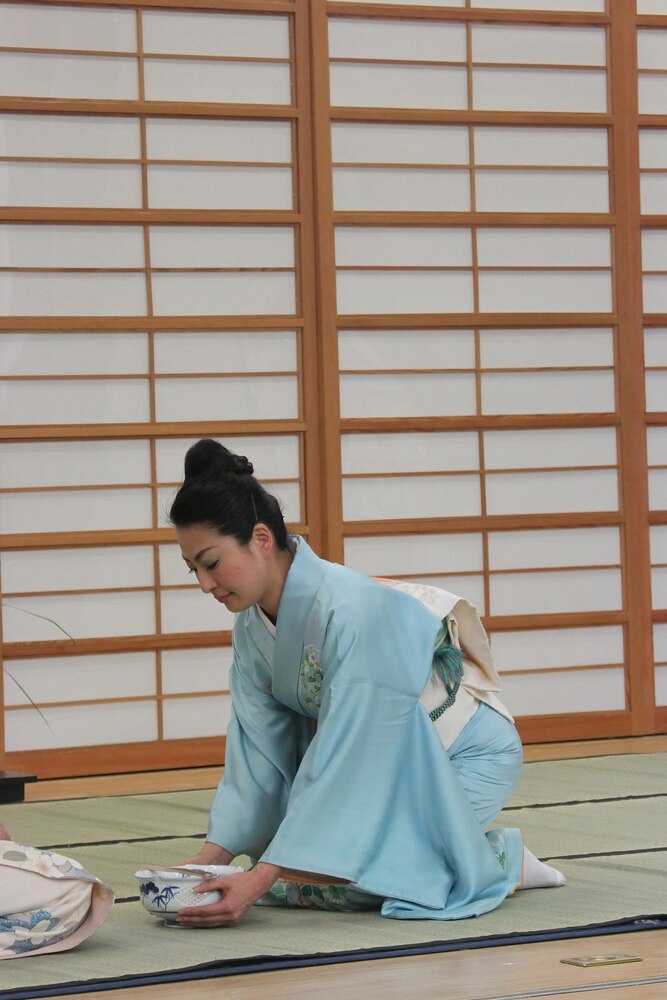
Before eating, Japanese people say “itadakimasu” (literally “I humbly receive”), expressing gratitude for the food and acknowledging everyone who helped bring it to the table.
This moment of gratitude creates a pause before eating, shifting from the busy day to a mindful eating experience.
5. Emphasizing Food Presentation
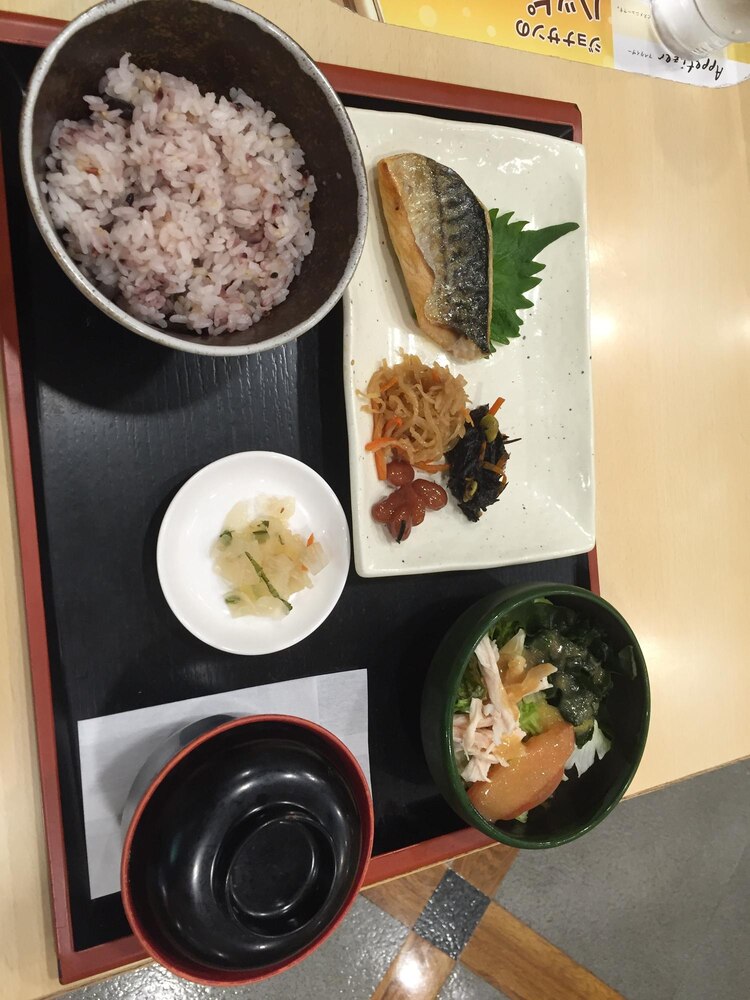
The Japanese concept of “moritsuke” involves carefully arranging food to enhance its visual appeal. Research shows that beautiful food presentation can actually make food taste better and encourage more mindful consumption.
Try arranging your meals thoughtfully and using smaller plates to make portions look more abundant.
6. Seasonal Eating
The Japanese practice “shun,” which means eating foods at their peak season. This not only ensures maximum flavor and nutritional value but also creates a natural variety in the diet throughout the year.
Consider organizing your meals around what’s freshly available at local markets rather than eating the same foods year-round.
7. Regular Tea Consumption
Green tea is central to Japanese food culture and serves as the primary beverage with meals. Rich in antioxidants called catechins, green tea supports metabolism and offers numerous health benefits.
Try replacing sugary drinks with unsweetened tea during and between meals.
8. Minimal Processed Food
Traditional Japanese diets rely primarily on whole, minimally processed ingredients. Even when foods are processed (like tofu or fermented foods), the methods are often traditional and designed to enhance nutritional value rather than extend shelf life at the expense of health.
9. Fermented Foods at Every Meal
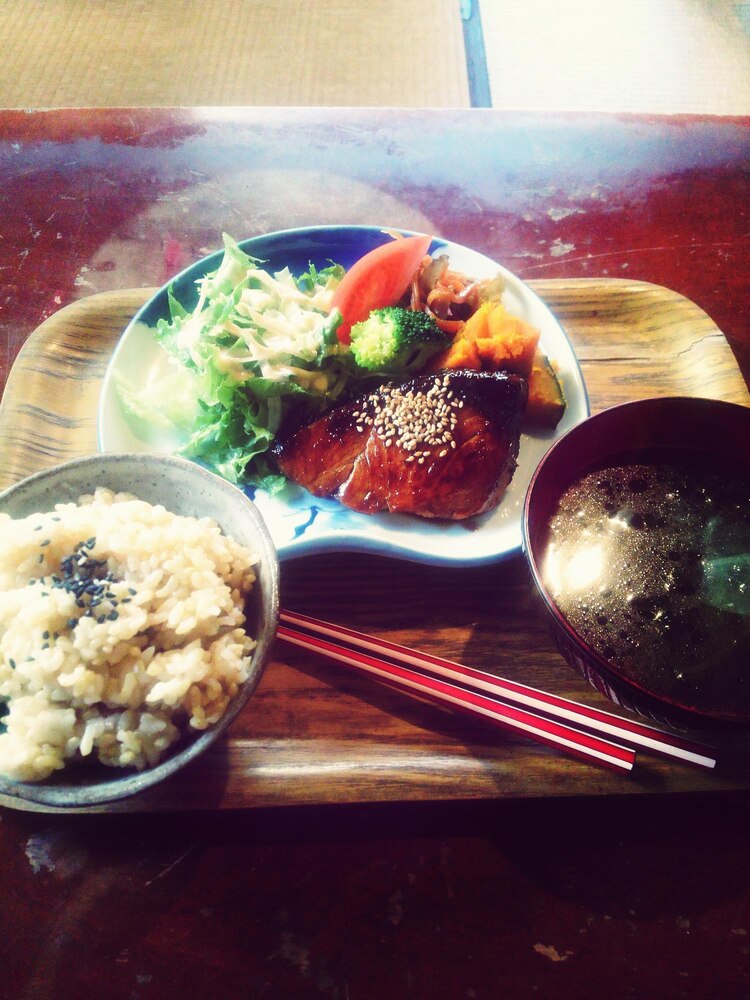
From miso to pickled vegetables (tsukemono), fermented foods appear regularly in Japanese cuisine.
These foods support gut health through beneficial probiotics and add complex flavors that reduce the need for excess salt or fat.
10. Eating with All Senses
Japanese eating culture involves appreciating food with all senses—not just taste but also the visual presentation, the sound of food being prepared, the texture, and the aroma.
This multi-sensory experience slows down eating and creates greater satisfaction with smaller amounts of food.